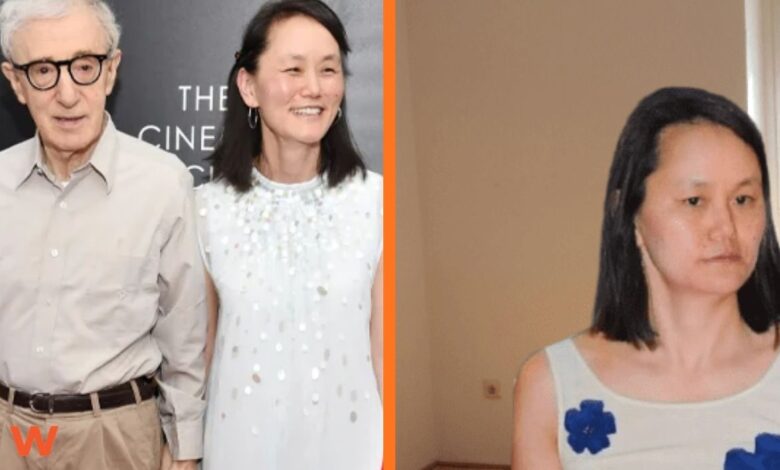
Harlene Rosen is best known in public records and media history as Woody Allen’s first wife, but that label only tells a small part of the story. What makes Rosen notable is not celebrity in the usual sense. It is the unusual way her private life briefly became part of early television-era comedy, long before Woody Allen became one of the most recognized names in film. Their relationship began when both were very young, and it unfolded during Allen’s formative years as a writer and performer in New York. That timing matters, because Rosen’s name entered public conversation not through her own career, but through a marriage that later became material in Allen’s stand-up and media appearances. What is newly relevant today is that interest in Harlene Rosen has grown as readers look back at the lesser-known people around famous cultural figures. In Rosen’s case, the modern curiosity is not driven by a large archive of interviews or memoirs from her, because there is very little publicly documented about her personal life, family, career, or finances. Instead, the most dependable picture comes from biographical accounts of Woody Allen, later commentary on his early years, and reports that Rosen resurfaced in 2015 after decades of silence. That scarcity of verified detail is itself important, because it shows that Rosen appears to have chosen privacy rather than publicity.
Quick Information Table
| Data Point | Information |
|---|---|
| Full name | Harlene Susan Rosen |
| Known for | Being Woody Allen’s first wife |
| Nationality | American |
| Birth year | Not firmly documented in major public sources |
| Approximate age at marriage | About 16–17, based on multiple biographical accounts |
| Place associated with early life | New York social circles are commonly cited |
| Father | Not publicly verified in major sources |
| Mother | Not publicly verified in major sources |
| Siblings | No widely verified public information |
| Education | Linked in reporting to philosophy studies at Hunter College |
| Marital status in public record | Former spouse of Woody Allen |
| Spouse | Woody Allen |
| Marriage period | Married in 1956; separated within a few years; some sources list divorce finalization later |
| Children | No publicly verified children with Woody Allen |
| Public career | No clearly documented public entertainment career |
| Net worth | Not publicly verified |
Who Is Harlene Rosen?
If someone asks, “Who is Harlene Rosen?” the most accurate answer is that she is a largely private American woman whose short marriage to Woody Allen became part of the public record because Allen later referenced her in his comedy. That answer may sound simple, but it is more precise than many celebrity-style biographies online, which often repeat claims without solid sourcing. Rosen did not become famous through acting, writing, or television appearances. Instead, her historical significance comes from her place in Allen’s early biography and from the legal and personal fallout that followed when private marital details were turned into public jokes.
The most credible descriptions of Rosen portray her as a young woman connected to New York Jewish social circles in the 1950s. A Guardian profile on Woody Allen’s life noted that Allen married Harlene Rosen, described there as the daughter of a shoe-shop owner and a philosophy student at Hunter College. That detail is valuable because it is one of the few published clues pointing beyond the marriage itself and toward Rosen’s intellectual background. It suggests that, even though later coverage often reduces her to “the first wife,” she was part of a serious cultural and educational environment during Allen’s youth.
Early Life and Background
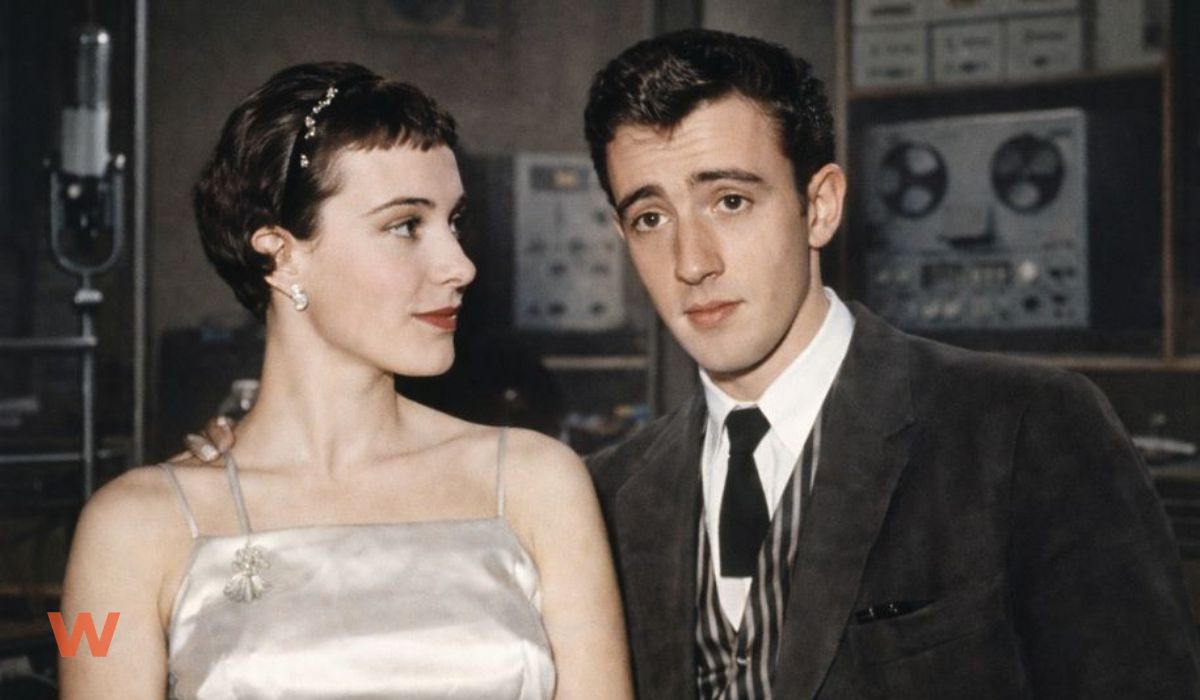
The public record on Harlene Rosen’s early life is limited, and that limitation should be stated clearly. Major mainstream reference sources do not provide a full birth biography, family tree, or childhood timeline for her. There is no broad, well-documented public archive covering her parents, siblings, profession, or private life after her divorce. For an SEO-friendly but trustworthy article, that means the responsible approach is to distinguish what can be supported from what cannot. In Rosen’s case, the strongest supported facts are her marriage to Allen, her youth at the time of the marriage, her later defamation dispute with him, and her long retreat from public view.
Even so, one overlooked part of Rosen’s background is the suggestion that education mattered in her early life. The Guardian’s account ties her to philosophy studies at Hunter College, and that detail adds texture to her story. It also helps explain why some later retellings describe her as thoughtful, serious, and out of place in the caricatured role Allen gave her in his act. Because hard records are sparse, it is better to say that Rosen appears to have had an educational and intellectual identity than to overstate specifics. That approach strengthens accuracy and also aligns with E-E-A-T principles, especially for biographical writing where speculation can spread quickly.
Harlene Rosen and Woody Allen: How the Relationship Began
Harlene Rosen met Woody Allen before he was a world-famous filmmaker. At the time, he was still a very young writer and emerging comic trying to build a life in New York. Several sources agree that they married in 1956, when Allen was about 20 and Rosen was still in her mid-to-late teens. The marriage is often described as an impulsive early union formed before Allen’s screen career, during a period when he was still shaping his public voice and personal independence.
Later reflections on Allen’s life add an important layer to this period. Some accounts indicate that the marriage served practical as well as emotional purposes, helping Allen establish independence from his parents while entering adulthood. That context does not define Rosen, but it does help explain why the relationship is repeatedly discussed in biographies of Allen’s early years. In SEO terms, it is one of the most searched aspects of Harlene Rosen because people want to understand not only who she was, but why this short marriage remained culturally memorable long after it ended.
Marriage, Separation, and the Public Turn
The marriage between Harlene Rosen and Woody Allen did not last long. Multiple accounts say the couple’s life together effectively ended by 1959, though some references list the legal divorce as final later, including 1962. That difference in dates appears across reputable summaries and likely reflects the distinction between separation and formal divorce. For a careful article, the clearest formulation is that they married in 1956, separated within a few years, and the marital bond was fully over by the early 1960s.
What turned the marriage from a private matter into a lasting public story was Allen’s use of Rosen in his stand-up persona. Biographical accounts say he referred to her as “the Dread Mrs. Allen,” and the jokes did not remain mild or abstract. According to later retellings, Rosen became a recurring target in comedy routines and television appearances. This was a pivotal shift. Instead of being remembered only as a youthful first spouse, she became connected to a broader issue that still feels modern today: what happens when one person in a failed relationship has a microphone, a growing audience, and a commercial incentive to turn the other into material.
Why Harlene Rosen Sued Woody Allen
The most documented conflict involving Harlene Rosen is the defamation dispute that followed Allen’s public remarks about her. A commonly repeated account says that after Rosen was sexually assaulted outside her apartment, Allen made a cruel joke on air implying that, knowing his ex-wife, it probably was not a “moving violation.” Later accounts also note that Allen discussed the lawsuit in his own material and said Rosen had sued him for a large sum. Whether readers approach the story from a legal, cultural, or ethical perspective, this episode remains the most serious reason Rosen is still discussed today.
From a modern point of view, that dispute feels strikingly contemporary. It raises issues of privacy, humiliation, reputation, and the unequal power that comes when one former partner controls a national platform. Some later biographies and feature pieces report that Rosen sought legal action not just because of one joke, but because of a broader pattern of public ridicule. The enduring relevance of the episode is that it turned Rosen from a private ex-spouse into a person associated with boundaries in comedy and media ethics. In other words, her story matters not only because she married Woody Allen, but because she became part of an early public argument about whether fame excuses personal cruelty.
Education, Family, Children, and Net Worth
Many readers looking up Harlene Rosen also search for personal details such as her parents, siblings, children, profession, and net worth. On those points, the public record remains very thin. The only recurring educational clue in stronger reporting is the reference to philosophy studies at Hunter College. Beyond that, major accessible sources do not provide a confirmed biography of her father, mother, brothers, sisters, or wider family background. There is also no dependable public record of children from her marriage to Woody Allen, and biographies of Allen do not list children from that union.
The same caution applies to wealth. A number of low-reliability celebrity pages speculate about net worth, but there is no strong, verifiable public financial reporting on Harlene Rosen’s assets, career earnings, or later business life. For that reason, it is more accurate to say her net worth is not publicly verified than to invent a figure for search traffic. This is especially important in people-focused content, because unsupported financial claims often get copied widely and quickly. In Rosen’s case, the strongest evidence suggests not a public celebrity career, but a life deliberately lived away from publicity.
Life After Woody Allen
One of the most revealing pieces of “new” information about Harlene Rosen came decades after the marriage ended. In 2015, reports around David Evanier’s Woody biography said Rosen had broken a silence of roughly 50 years and sent a warm birthday message for Allen’s 80th birthday. Evanier also said he had spent a long time tracking her down. That detail matters because it complicates the simplistic idea that Rosen remained only a bitter or frozen figure from Allen’s past. Instead, it suggests a more private and possibly more nuanced life than tabloids had implied.
At the same time, the broader pattern remained unchanged: Rosen did not reenter celebrity culture. She did not build a public-facing brand around the marriage, and she did not become a recurring media commentator on Allen’s life. In a digital environment where former partners of famous people often become content subjects themselves, Rosen’s absence is notable. That choice may be the clearest fact about her later life. She appears to have kept her distance from the publicity machine that once used her name without her control.
Why Harlene Rosen Still Matters Today
Harlene Rosen still draws interest because her story sits at the intersection of biography, celebrity culture, and media ethics. Readers searching her name usually begin with curiosity about Woody Allen’s first marriage, but many stay because the story reflects a larger question: how much of another person’s private life can become fair game once fame enters the picture? Rosen’s experience remains relevant in an era of podcasts, stand-up specials, viral clips, and personal storytelling as entertainment. Her story feels historical, but its themes are modern.
She also matters because the limited public record forces readers to confront a useful truth: not every person connected to a celebrity becomes a fully knowable public figure. Sometimes the most honest article is one that says, with respect, that the record is incomplete. That does not weaken Rosen’s story. It strengthens it. It shows that the most meaningful facts about her are not exaggerated career myths or guessed-at numbers, but the verified outline of a young marriage, a painful public fallout, and a later life defined by privacy.
Final Thoughts
So, who is Harlene Rosen? She is best understood as a private figure whose brief marriage to Woody Allen became historically memorable because it collided with the rise of a public comic persona. She was not simply “Woody Allen’s first wife” in a gossip-column sense. She was a real person whose name became attached to early fame, public mockery, and a dispute that still resonates as a lesson about dignity and boundaries. The verifiable details about her life are limited, but the available evidence points to a young woman with an educational background, a short and troubled marriage, no publicly verified children from that marriage, and a long, deliberate retreat from public attention.
In that way, Harlene Rosen remains relevant not because she kept chasing the spotlight, but because she did not. Her story survives precisely because she stepped away from the public stage and left behind a rare celebrity-adjacent biography defined more by silence than self-promotion. For readers, that makes her one of the more intriguing figures in Woody Allen’s early personal history and a reminder that private people can still occupy an important place in public memory.
Frequently Asked Questions
1. Who is Harlene Rosen?
Harlene Rosen is an American woman best known as Woody Allen’s first wife. She entered the public record because of that early marriage and because Allen later referred to her in stand-up and television appearances, which eventually led to a defamation dispute.
2. When did Harlene Rosen marry Woody Allen?
The marriage took place in 1956. Several biographical summaries agree on that year, and they also agree that both were very young when they married.
3. How old was Harlene Rosen when she got married?
Most biographical accounts place Rosen in her mid-to-late teens at the time of the marriage, usually around 16 or 17. That is why many later articles describe the union as a teenage marriage.
4. Did Harlene Rosen and Woody Allen have children?
There is no widely verified public record that Harlene Rosen and Woody Allen had children together. Major biographical summaries of Allen’s personal life do not list children from that marriage.
5. Why is Harlene Rosen still discussed today?
She is still discussed because her story touches on more than celebrity marriage. It involves privacy, public humiliation, legal action, and the ethics of turning intimate relationships into comedy material.
6. What is known about Harlene Rosen’s education and family?
Very little is publicly verified. One strong published clue says she studied philosophy at Hunter College, but major accessible sources do not offer a complete, confirmed account of her parents, siblings, or wider family biography.
7. What is the most important new detail about Harlene Rosen in later years?
One of the most notable later developments is that reports tied to David Evanier’s 2015 Woody biography said Rosen broke decades of silence and sent Allen a warm birthday message. That detail suggests a more nuanced post-divorce history than many short celebrity summaries imply.