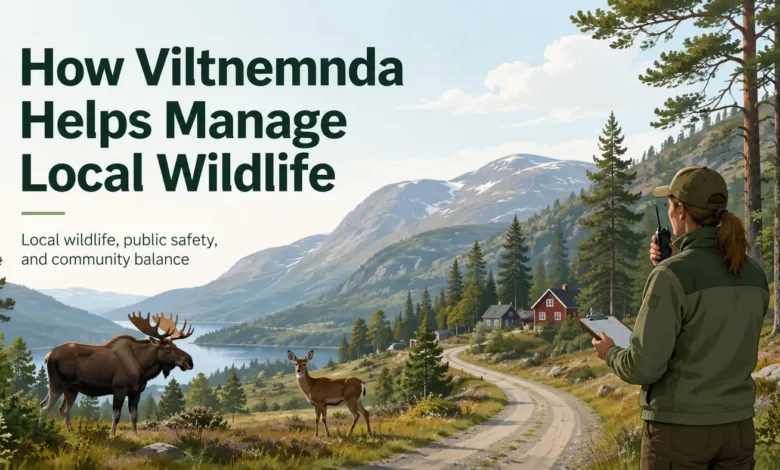
Wildlife management is not only about animals living in forests, mountains, and fields. It is also about people, roads, farms, hunters, landowners, and local safety. In Norway, the word Viltnemnda is often connected with this local work.
The term may look unfamiliar to readers outside Norway, but the idea behind it is simple. It describes a local wildlife committee or public body that helps manage wildlife issues in a municipality. Its work can include hunting matters, injured animals, road accidents involving wildlife, and practical advice for the public.
Think about a moose crossing a road, deer damaging crops, or a wounded animal found near a village. These are not only nature problems. They are community problems too. A local wildlife system helps people respond in a fair, safe, and responsible way.
Table of Contents
ToggleWhat Viltnemnda Means in Simple Words
Viltnemnda comes from Norwegian public life and is linked with local wildlife care. The word “vilt” means wild game or wildlife, while “nemnd” means board or committee. Together, the term points to a committee that deals with wildlife matters in a local area.
In older use, Viltnemnda was more directly tied to official local wildlife boards. Over time, Norway changed how these duties were organized. Many responsibilities became part of the municipality’s work, even though people may still use the older term in daily speech.
That is why the word can sometimes feel confusing. In one town, people may still say Viltnemnda. In another place, the same work may be handled by a municipal wildlife office, a fallen-game group, or another local team. The name may change, but the purpose stays close to the same.
At its heart, Viltnemnda is about balance. It supports healthy animal populations while also helping people live safely beside wildlife.
How Local Wildlife Work Is Organized
Wildlife problems are often local. A coastal town, a mountain village, and a farming area may all face very different challenges. One area may deal with deer near roads. Another may see conflicts between grazing animals and predators. A third may need careful planning for hunting areas.
This is why local knowledge matters so much. People who live in the area often know where animals move, where accidents happen, and where farms or roads create pressure points. A local wildlife body can use this knowledge in a way that a distant office may not fully understand.
Viltnemnda also connects local needs with wider public rules. Wildlife cannot be managed only by personal opinion. Decisions must respect laws, animal welfare, conservation goals, and public safety. Local teams help turn these wider rules into practical action.
This local structure also makes communication easier. Farmers, hunters, drivers, landowners, and residents need a clear place to report issues and ask questions. A known local contact reduces confusion when quick action is needed.
Daily Duties in Local Wildlife Management
The work of Viltnemnda can be broad because wildlife affects many parts of community life. Some tasks are planned, such as hunting-related work. Other tasks are urgent, such as dealing with injured animals after a traffic accident.
A local wildlife body may help review animal numbers, support hunting plans, advise residents, and assist with reports of sick or wounded animals. It may also work with police, municipal staff, veterinarians, landowners, and trained hunters when a situation needs a careful response.
Common duties may include:
- Helping with injured or dead wildlife reports
- Supporting hunting permits and local quota work
- Advising on wildlife damage, safety, and animal welfare
These duties show why the role is practical, not just administrative. It is about solving real problems in real places, often under time pressure and with both people and animals affected.
Injured Wildlife, Road Accidents, and Fallen Game
One of the most important public-facing duties is the response to injured wildlife. In Norway, collisions with animals such as deer or moose can be serious. They can harm drivers, passengers, and animals. They can also create danger for other road users.
When a wild animal is hit, the situation should be reported quickly. Local wildlife responders may then help locate the animal, judge its condition, and decide what should happen next. The goal is to reduce suffering and protect people nearby.
This work requires training and calm judgment. A wounded animal may run into the forest, lie hidden, or behave unpredictably. People should not try to chase or handle it on their own. A proper local response helps avoid extra danger.
Fallen game, meaning wildlife found dead or killed outside normal hunting, also needs careful handling. There may be rules about ownership, reporting, disposal, and registration. A local wildlife body helps make sure these cases are handled properly.
Hunting, Quotas, and Healthy Animal Numbers
Hunting in Norway is not simply a private activity. It is part of a wider management system that aims to keep animal populations healthy and balanced. Viltnemnda or the municipality may be involved in local decisions related to hunting areas, permits, and animal numbers.
For animals such as moose, deer, and roe deer, local planning can be very important. Too many animals in one area may lead to road accidents, crop damage, forest damage, or food shortages for the animals themselves. Too few animals can harm hunting traditions and local ecosystems.
Good hunting management depends on information. Local teams may consider animal sightings, hunting results, damage reports, land size, migration patterns, and long-term population goals. These details help shape fair and responsible decisions.
This is where local judgment becomes valuable. A national rule may set the frame, but a local area needs local decisions. Viltnemnda helps connect the law with the land.
Public Safety, Farms, and Human-Wildlife Conflict
Wild animals do not follow human borders. They cross roads, enter fields, move near homes, and sometimes damage property. In farming areas, deer, moose, beavers, or other animals may affect crops, fences, forests, and grazing land.
For farmers, wildlife conflict can be more than an inconvenience. It can mean lost income, stress, and extra work. For local residents, wildlife close to roads or homes can raise safety concerns. For animal lovers, the concern may be how to solve problems without causing unnecessary harm.
Viltnemnda helps by supporting a balanced approach. It does not treat every animal as a problem, and it does not ignore real damage either. The best answer often depends on the species, the season, the risk, and the local situation.
This kind of work needs trust. People are more likely to report problems when they believe the response will be fair. Clear local systems help build that trust over time.
Final Thoughts
Viltnemnda is a useful example of how local wildlife management can work in a practical way. It brings together public rules, local knowledge, animal welfare, hunting traditions, and community safety. That mix is not always easy, but it is necessary.
The term may be Norwegian, but the idea has wider value. Every country with forests, farms, roads, and wild animals needs some way to manage the meeting point between people and nature. Local teams are often best placed to understand that meeting point.
What makes Viltnemnda important is not just its name. It is the role behind the name: helping communities respond to wildlife issues with care, order, and responsibility. When people know who to contact and how the system works, both humans and animals benefit.
In simple words, Viltnemnda helps turn wildlife management from a distant policy into local action. That is why it still matters in conversations about Norway’s nature, hunting, safety, and rural life.
Frequently Asked Questions (FAQs)
What does Viltnemnda mean?
Viltnemnda means a local wildlife committee or wildlife board connected with municipal wildlife management in Norway. It deals with practical wildlife matters such as injured animals, hunting issues, local wildlife planning, and public safety concerns.
Is Viltnemnda still used today?
Yes, the word is still used in many places, but the exact organization may differ by municipality. Some areas may use other names, such as a wildlife group, fallen-game team, or municipal wildlife office, while doing similar work.
Who should I contact if I hit a wild animal in Norway?
A wildlife collision should be reported through the proper local emergency or police channel so trained responders can be contacted. You should not chase, move, or handle the animal yourself, because that can be unsafe and may increase the animal’s suffering.
Does Viltnemnda decide hunting rules?
It may help with local hunting-related work, but decisions must follow public rules and municipal responsibility. Local wildlife bodies can support permits, quotas, hunting areas, and practical planning, depending on how the municipality organizes the work.
Why is local wildlife management important?
Local wildlife management is important because animal problems are different from place to place. A local team understands roads, farms, forests, migration paths, and community concerns better than a distant office can.
Can visitors learn from this system?
Yes, visitors can learn that wildlife protection is not only about saving animals from harm. It is also about safe roads, responsible hunting, fair rules, quick reporting, and respect for the people who live closest to nature.
Read More: Willowmagazine.co.uk
 Admin
Send an email
May 22, 2026
Admin
Send an email
May 22, 2026