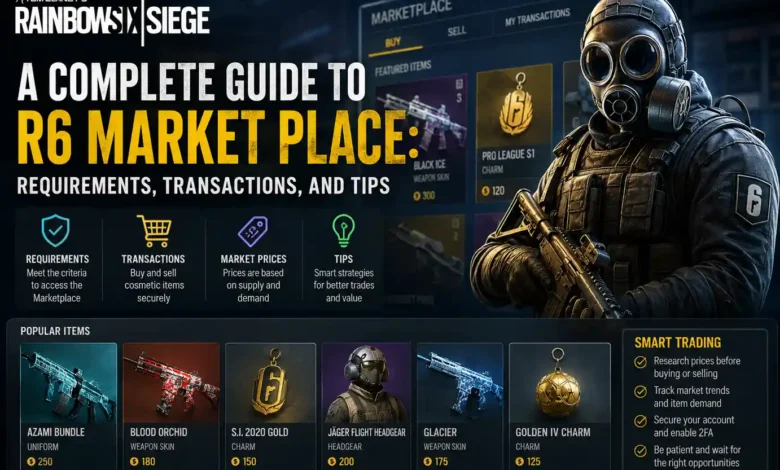
The R6 Market Place has become one of the most talked-about features among Rainbow Six Siege players who want more control over their cosmetic inventories. Instead of leaving unused skins, uniforms, weapon charms, and other collectibles sitting in an account, players can now participate in a structured trading environment that allows them to buy and sell eligible items. This system creates a player-driven marketplace where supply and demand influence item values, making cosmetic ownership more dynamic and engaging.
As Rainbow Six Siege continues to evolve, cosmetic customization remains an important part of the player experience. Many users spend years collecting exclusive skins from events, battle passes, and limited-time releases. The R6 Market Place gives these items additional value by allowing players to exchange them through a secure platform rather than relying on unofficial trading methods.
Understanding how the marketplace works is important before making any transactions. Requirements, account eligibility, pricing mechanisms, and security measures all play a role in ensuring a smooth experience. Whether you are interested in purchasing rare cosmetics or selling items you no longer use, learning the fundamentals can help you make informed decisions.
This guide explains everything players need to know about the R6 Market Place, including requirements, transactions, pricing factors, safety practices, and practical tips for maximizing value.
What Is the R6 Market Place?
The R6 Market Place is an official trading platform designed for Rainbow Six Siege players. It enables eligible users to buy and sell approved cosmetic items directly within a controlled ecosystem. Unlike third-party trading sites, the marketplace operates within established rules that help protect both buyers and sellers.
The primary purpose of the marketplace is to provide a safe environment where players can exchange cosmetic content. This includes weapon skins, headgear, uniforms, charms, and other collectible items that meet marketplace eligibility requirements.
A key advantage of the system is transparency. Buyers can view available listings, compare prices, and make purchasing decisions based on current market activity. Sellers can list items and potentially earn credits that can be used for future cosmetic purchases.
The marketplace also contributes to a more active in-game economy. Rare and discontinued cosmetics often attract attention from collectors, while newer players gain access to items that may no longer be available through regular gameplay.
Eligibility Requirements for Using the Marketplace
Before accessing the R6 Market Place, players must meet specific account requirements. These requirements are designed to maintain marketplace integrity and reduce fraudulent activity.
Account standing is one of the most important factors. Players typically need a verified account that complies with platform policies. Accounts with restrictions, penalties, or security concerns may face limitations when attempting to access marketplace features.
Security measures are equally important. Multi-factor authentication is often encouraged because it helps protect user accounts from unauthorized access. Since marketplace transactions involve valuable digital items, account protection should be treated as a priority.
Players should also ensure that their game account information is accurate and up to date. Verifying credentials, maintaining secure passwords, and monitoring account activity can reduce potential issues during transactions.
Understanding eligibility requirements before attempting to buy or sell items can save time and help prevent unexpected restrictions.
Understanding Marketplace Transactions
Transactions within the R6 Market Place follow a structured process that is designed to be straightforward for users. Buyers browse available listings while sellers determine which eligible items they wish to place on the market.
When a seller creates a listing, the item becomes available for purchase by other users. The listed price reflects the seller’s expectations based on market demand, rarity, and recent sales activity.
Buyers can review listings and complete purchases using available marketplace credits. Once the transaction is finalized, ownership of the item transfers to the purchasing account according to marketplace rules.
Completed transactions contribute to overall market activity. Over time, buying and selling behavior helps establish pricing trends, making it easier for participants to estimate the value of various cosmetics.
Types of Items Commonly Traded
One reason the R6 Market Place has gained popularity is the variety of cosmetics available. Players often seek items that help personalize operators and weapons while showcasing unique collections.
Weapon skins are among the most commonly traded assets. Certain skins become highly desirable because of limited availability, special event associations, or distinctive visual designs.
Operator customization items also generate significant interest. Headgear and uniforms from seasonal events, promotional campaigns, or discontinued collections can attract collectors looking to complete specific sets.
Additional cosmetic categories may include charms, attachment skins, backgrounds, and other visual enhancements. While not every item is eligible for trading, marketplace activity often reflects which cosmetics hold the greatest appeal within the community.
Understanding item categories helps players identify opportunities when buying, selling, or building a collection.
Factors That Influence Item Prices
Pricing within the R6 Market Place is influenced by multiple factors rather than fixed values. Supply and demand remain the most important drivers of market activity.
Rare items generally command higher prices because fewer players own them. If an item was released during a limited-time event and never returned, collectors may be willing to pay a premium to obtain it.
Popularity also plays a major role. Cosmetics associated with well-liked operators or visually impressive designs often attract stronger demand than standard items.
Market history can provide valuable insights. Players frequently analyze previous sales activity to determine whether an item’s value is increasing, stable, or declining.
Additional pricing influences may include seasonal trends, community interest, cosmetic exclusivity, and overall marketplace participation levels.
Strategies for Buying Items Efficiently
Successful buyers rarely make impulsive decisions. Instead, they evaluate market conditions and compare options before completing purchases.
Monitoring prices over time can reveal patterns that help identify favorable buying opportunities. Some items experience temporary fluctuations that create chances to purchase at lower prices.
Patience is often beneficial. Rather than purchasing the first available listing, buyers may review multiple listings to determine whether better options become available.
Researching item demand can also improve purchasing decisions. Cosmetics with consistent popularity may retain value more effectively than items with limited interest from the player base.
A thoughtful approach reduces unnecessary spending and helps buyers build collections more efficiently.
Effective Selling Practices for Better Results
Selling successfully requires more than simply listing an item. Understanding market behavior can significantly improve outcomes.
Competitive pricing is one of the most important considerations. Listings that are priced reasonably tend to attract more attention than listings that greatly exceed market expectations.
Timing can influence results as well. Increased player activity often leads to higher marketplace engagement, creating additional opportunities for successful sales.
Sellers should regularly review market conditions and adjust strategies when necessary. Monitoring similar listings helps ensure prices remain competitive.
Clear expectations and realistic pricing often lead to faster transactions while helping sellers maximize the value of their inventory.
Security and Account Protection
Security remains one of the most important aspects of using the R6 Market Place. Since cosmetic inventories can hold significant value, protecting account access is essential.
Strong passwords provide the first layer of defense. Players should avoid reusing passwords across multiple services and should update credentials periodically.
Two-factor authentication adds another level of protection. Even if login information becomes compromised, additional verification can help prevent unauthorized access.
Players should remain cautious of phishing attempts, suspicious messages, and unofficial offers. Fraudulent actors often target users who possess valuable cosmetic inventories.
Maintaining good security habits protects marketplace activity and helps preserve account integrity over the long term.
Common Mistakes to Avoid
Many marketplace users make avoidable mistakes that can reduce profitability or create unnecessary frustration. Understanding these issues can improve the overall experience.
One common mistake is ignoring market trends. Listing items without researching current prices can result in missed opportunities or delayed sales.
Another issue involves emotional purchasing decisions. Buying cosmetics solely because they appear rare without evaluating demand can lead to overpaying.
Some players neglect account security, increasing the risk of unauthorized access. Even experienced users can become targets if proper security measures are not maintained.
A practical approach focused on research, patience, and security often produces better results than rushing into transactions.
Tips for Maximizing Value on the R6 Market Place
Players looking to maximize value should develop a long-term strategy rather than focusing only on short-term transactions. Market awareness is a valuable advantage.
Tracking popular cosmetics can help identify items that maintain strong demand. Understanding community preferences allows users to make more informed decisions.
It is also useful to monitor seasonal events and major game updates. Changes in player interest can influence demand for specific cosmetics and create new opportunities.
Consider these practical tips:
- Research prices before buying or selling, monitor demand trends, protect your account with strong security settings, avoid emotional decisions, compare multiple listings, and stay informed about marketplace updates.
Consistent research and disciplined decision-making often lead to better marketplace outcomes over time.
The Future of the R6 Market Place
As Rainbow Six Siege continues to grow, the marketplace is expected to remain an important part of the game’s ecosystem. Increased participation can create greater liquidity and provide more opportunities for both buyers and sellers.
Future improvements may enhance user experience through expanded features, additional item categories, and refined transaction tools. As the marketplace matures, players may benefit from increased accessibility and improved functionality.
A thriving marketplace can also strengthen player engagement by giving cosmetics greater significance beyond simple ownership. Collecting, trading, and managing inventory become meaningful aspects of the broader Rainbow Six Siege experience.
For many players, the marketplace represents an additional layer of progression that complements gameplay while encouraging community interaction.
Conclusion
The R6 Market Place has transformed how Rainbow Six Siege players interact with cosmetic items. By providing an official environment for buying and selling eligible cosmetics, it creates opportunities for collectors, traders, and casual players alike. Understanding marketplace requirements, transaction processes, pricing factors, and security practices is essential for achieving successful results.
Whether your goal is acquiring rare weapon skins, selling unused cosmetics, or building a valuable collection, informed decision-making remains the key to success. Players who research market trends, maintain account security, and approach transactions strategically are often better positioned to benefit from everything the marketplace has to offer.
As the ecosystem continues to evolve, the R6 Market Place is likely to remain an important destination for players seeking greater flexibility and value within the Rainbow Six Siege community.
Frequently Asked Questions (FAQs)
1. What is the R6 Market Place?
The R6 Market Place is an official trading platform that allows eligible Rainbow Six Siege players to buy and sell approved cosmetic items. It creates a secure environment for marketplace transactions while helping players manage their cosmetic inventories more effectively.
2. What items can be traded on the marketplace?
Eligible items may include weapon skins, operator uniforms, headgear, charms, attachment skins, and other approved cosmetic content. Availability depends on marketplace rules and item eligibility requirements.
3. How are item prices determined?
Prices are primarily influenced by supply and demand. Factors such as rarity, popularity, exclusivity, historical sales activity, and collector interest can all affect the market value of a cosmetic item.
4. Is the R6 Market Place safe to use?
The marketplace is designed with security measures intended to protect users. Players can further improve safety by enabling two-factor authentication, maintaining strong passwords, and avoiding suspicious messages or unofficial offers.
5. Can new players use the marketplace immediately?
Access depends on meeting eligibility requirements established for the platform. Players should verify account status, security settings, and any applicable participation requirements before attempting to trade.
6. What is the best way to succeed on the marketplace?
Successful users typically research pricing trends, monitor demand, practice patience, secure their accounts, and avoid impulsive transactions. Consistent market awareness often leads to better buying and selling decisions.
Read More: Willowmagazine.co.uk