Who Was Barbara Roufs? The Story of the Iconic Drag Racing Trophy Girl
 Admin
Send an email
May 25, 2026
Admin
Send an email
May 25, 2026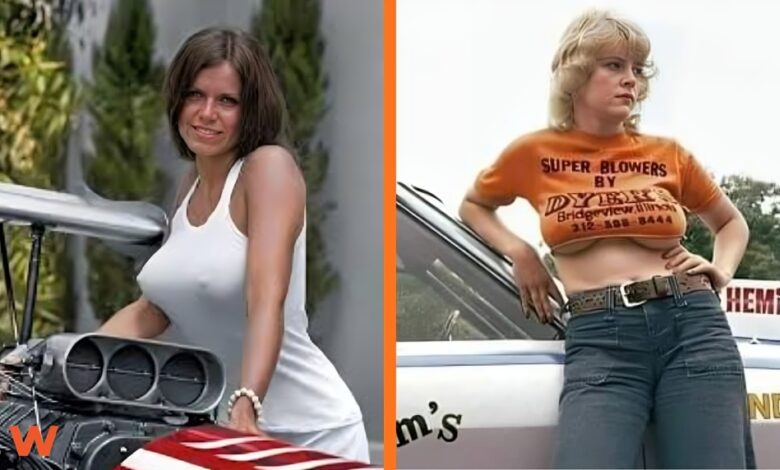
Barbara Roufs is remembered as one of the most recognizable faces from the golden age of Southern California drag racing. She was not a driver, mechanic, or team owner, yet her image became deeply tied to the color, style, and excitement of the 1970s drag strip scene. Known as a drag racing trophy girl and promotional model, Barbara Roufs stood out at a time when race days were full of roaring Funny Cars, packed grandstands, bold fashion, and camera-ready personalities.
Her story is also a reminder that many people who helped shape motorsports culture were never fully documented by mainstream media. Much of what fans know today comes from vintage photographs, family-linked records, and later online rediscovery. Because public information about Barbara Roufs is limited, the most responsible way to tell her story is to separate reported facts from speculation and place her life inside the real drag racing world that made her famous.
Table of Contents
ToggleQuick Bio of Barbara Roufs
| Field | Details |
|---|---|
| Full Name | Barbara Roufs |
| Known For | 1970s drag racing trophy girl and promotional model |
| Birth Year | Commonly reported as 1944 |
| Birthplace | California, United States, according to later profiles |
| Era of Fame | Late 1960s and early 1970s |
| Main Scene | Southern California drag racing |
| Career Identity | Trophy girl, model, race event personality |
| Notable Title | Reported as 1973 PDA Queen |
| Photographer Linked to Her Legacy | Tom West |
| Family Connection | Daughter named Jet Dougherty, according to published profiles |
| Mother | Thelma Ruby Riley, whose obituary names Barbara Roufs as her daughter |
| Death | Reported as January 1991 |
| Age at Death | Reported as 47 |
| Legacy | A visual symbol of 1970s drag racing culture |
Who Was Barbara Roufs?
Barbara Roufs was an American drag racing trophy girl and model whose popularity grew during the early 1970s. In simple terms, a trophy girl was a promotional figure who appeared at racing events, helped present awards, posed with cars and drivers, and added glamour to the race-day atmosphere. Barbara became memorable because she had a distinct look that fit the era perfectly: long hair, bold outfits, go-go-inspired fashion, and a relaxed confidence that made her stand out in photographs.
Unlike professional racers such as Shirley Muldowney or Barbara Hamilton, Barbara Roufs was not known for competing on the track. Her role was more connected to event presentation, fan attention, photography, and the lifestyle side of motorsports. That does not make her place in drag racing history meaningless. Racing culture has always been shaped by more than winners and speed records. It has also been shaped by photographers, announcers, promotional figures, fans, car builders, and personalities who helped make the sport feel alive.
Early Life and Family Background
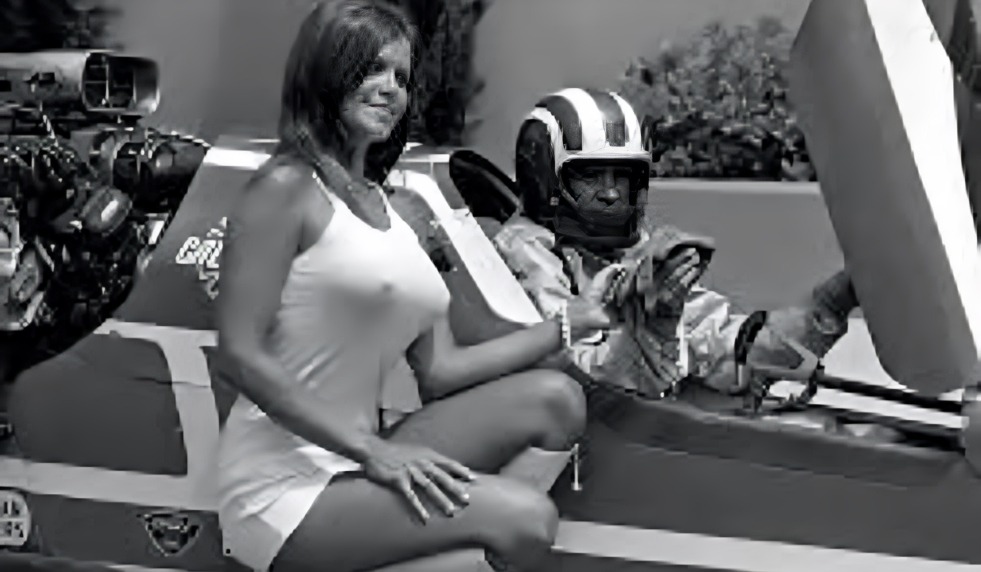
The early life of Barbara Roufs is not widely documented in public records. Several online profiles report that she was born in 1944 in California, but detailed childhood information remains limited. A stronger public record comes through the obituary of Thelma Ruby Riley, published by the Fresno Bee through Legacy.com. That obituary states that Thelma was preceded in death by her daughter, Barbara Roufs, and lists surviving family members including Vivian Deaton, James Riley, Bruce Riley, and adopted son Ben Gube.
That family record is important because it gives Barbara’s story a firmer human foundation. It shows she was not only a vintage racing image shared online, but a daughter, sister, and family member connected to a real household in California. The same obituary notes that Thelma and her husband Wayne were the first husband-and-wife team inducted into the Clovis Hall of Fame, and that Thelma owned a beauty salon in Clovis for 50 years. This background helps explain why Barbara’s story is often connected with Fresno, Clovis, and California car culture.
The Drag Racing World Barbara Roufs Entered
Barbara Roufs became known during a dramatic period in American drag racing. Southern California was one of the sport’s most important regions, and tracks such as Orange County International Raceway helped turn drag racing into a major spectator attraction. NHRA’s history of OCIR notes that the track opened to the public on August 5, 1967, and was promoted as “the Super Track” because it offered modern facilities, strong design, and a fan-friendly experience far ahead of many older strips.
This is the world Barbara entered: bright lights, loud engines, polished race cars, professional photographers, team rivalries, and passionate weekend crowds. Drag racing in the late 1960s and early 1970s was not just a sport; it was a lifestyle scene. People came for horsepower, but they also came for the atmosphere. Trophy girls like Barbara Roufs became part of that atmosphere because they helped create the show around the race.
Why Barbara Roufs Stood Out
Many women appeared at drag racing events during that era, but Barbara Roufs became especially memorable because her look matched the cultural style of the time. Her fashion reflected the late 1960s and early 1970s shift toward longer hair, boots, short dresses, and bolder public presentation. Later profiles often describe her as older than many other trophy girls when she gained attention, which may have added to her confident presence rather than making her seem like just another promotional face.
Her appeal was also visual. In the pre-social-media age, a person’s public image depended heavily on photographers and printed material. Barbara’s connection to photographer Tom West helped preserve her place in drag racing memory. Drag Race Central’s obituary for Tom West identifies Barbara Roufs as his favorite model and friend and refers to her as the 1973 PDA Queen. That link between photographer and subject is one major reason her images still circulate decades later.
Barbara Roufs and the Trophy Girl Role
To understand Barbara Roufs fairly, it is important to understand what a trophy girl represented in 1970s motorsports. Today, the phrase may feel dated, but at the time it was a common part of racing promotion. Trophy girls appeared in winner’s circle photos, handed out trophies, posed beside cars, and helped make events more attractive to newspapers, posters, and racing magazines. Their role was public-facing and highly visual.
Barbara’s work fit that promotional world, but her later popularity shows that she became more than background decoration. Fans remember her because her photos captured the energy of a specific moment in drag racing history. She represented an era when motorsports, fashion, and entertainment were closely connected. Her image reminds readers that the sport’s identity was built not only by engines and elapsed times, but also by the people who gave race weekends their personality.
Career Highlights and Reported Recognition
Barbara Roufs is commonly described as a drag racing trophy girl of the late 1960s and early 1970s. A later profile lists her as the 1973 PDA Queen and says she served as queen at the 6th U.S. Professional Dragster Championship held at Orange County International Raceway. Because older event records are not always easy to verify online, these details should be treated as widely reported rather than deeply archived public facts.
Still, the consistency of those reports points to her real recognition in the drag racing scene. The PDA reference is especially important because it links Barbara to professional drag racing culture rather than general modeling alone. Her appearances were not random pinup moments; they were connected to actual racing events, teams, and photographers who documented the sport’s golden period.
Tom West Photos and Online Rediscovery
One of the biggest reasons Barbara Roufs remains searched today is the later rediscovery of her vintage photographs. Many fans first learned her name through images credited to Tom West, a respected drag racing photographer who captured both cars and personalities from the era. Tuko reports that in 2016, Tom West uploaded photos of Barbara from her early trophy girl days, and that her daughter Jet later commented on the images, saying they showed some of her mother’s happiest times.
This online rediscovery changed Barbara Roufs from a mostly forgotten regional racing personality into a widely searched vintage figure. Her photos now appear across social media, nostalgia pages, and drag racing history communities. That renewed attention is why modern readers often ask, “Who was Barbara Roufs?” The answer is partly biography and partly cultural memory: she became famous again because old racing photography found a new audience.
Private Life Behind the Public Image
Barbara Roufs had a public image, but she did not leave behind the kind of extensive interviews, memoirs, or official profiles that modern celebrities often have. Several published profiles state that she was married, but the identity of her husband is not publicly confirmed. Tuko reports that Barbara had one child, Jet Dougherty, and that Jet was born when Barbara was 29.
This limited information should be handled respectfully. It is tempting for online articles to fill gaps with assumptions, but that weakens trust. What can be said is that Barbara’s private life appears to have been much less public than her racing image. She was photographed in a highly visible setting, yet her family life stayed mostly outside the spotlight. That contrast makes her story more human and less like a simple vintage glamour headline.
Barbara Roufs’ Death
Barbara Roufs reportedly died in January 1991 at the age of 47. Tuko reports that her daughter Jet confirmed the timing of her death after Barbara’s old photos resurfaced online. The same source reports her cause of death as suicide, while also noting that the reason was not publicly clear.
This part of Barbara’s story should not be treated as gossip or used for sensational attention. Her passing was a tragedy, but it should not define her entire life. She is remembered for her presence in drag racing, her connection to a colorful era, and the affection expressed by people who recognized her through Tom West’s photographs. A responsible biography should acknowledge her death without reducing her legacy to it.
Her Place in Women’s Drag Racing History
Barbara Roufs was not a pioneering female driver, but her story belongs inside the broader history of women in drag racing. During the same general era, women were fighting for recognition in many different roles. NHRA notes that Shirley Shahan became the first woman to win an NHRA national event in 1966, and the organization later celebrated the milestone of 100 female NHRA winners. NHRA also remembered Barbara Hamilton as the first woman to receive an NHRA license to drive a supercharged car.
These examples show that women were not one-dimensional figures in motorsports. Some were racers, some were promoters, some were photographers, some were family members supporting teams, and some were public personalities like Barbara Roufs. Her role was different from a driver’s role, but she still reflects how women were visible in the racing world during a changing cultural moment.
Why Barbara Roufs Still Matters Today
Barbara Roufs matters today because her story connects several search interests at once: vintage drag racing, 1970s fashion, Southern California car culture, lost motorsports history, and the rediscovery of old photographs online. She represents the human side of racing nostalgia. When people search for Barbara Roufs, they are usually not just looking for a name; they are trying to understand an image, an era, and the reason she became memorable.
Her legacy also teaches an important lesson about digital history. Many people from past decades were famous locally or within niche communities but never received complete documentation. When their photos resurface, modern writers must be careful. The best approach is to preserve what is known, identify what is reported, and avoid turning thin records into exaggerated claims. Barbara Roufs deserves that level of care.
Conclusion
Barbara Roufs was an iconic drag racing trophy girl whose image became tied to the excitement and style of 1970s Southern California motorsports. She stood beside powerful cars, appeared in memorable race-day photographs, and became closely associated with photographer Tom West’s visual record of the era. Though verified details about her life are limited, the available information shows that she was more than a vintage photo subject. She was a daughter, mother, public event personality, and part of a racing culture that still fascinates fans today.
Her story continues because old drag racing photos have found new life online. For many readers, Barbara Roufs is a window into a time when racing felt raw, colorful, loud, and deeply connected to American car culture. Remembering her responsibly means honoring both the glamorous public image and the real person behind it.
Frequently Asked Questions (FAQs)
Who was Barbara Roufs?
Barbara Roufs was an American drag racing trophy girl and promotional model best remembered for her appearances in the Southern California drag racing scene during the late 1960s and early 1970s. She became widely recognized because of vintage photographs that captured her style, confidence, and connection to the golden age of drag racing.
Why is Barbara Roufs famous?
Barbara Roufs is famous because she became one of the most memorable trophy girls from 1970s drag racing. Her photos, many linked to photographer Tom West, later resurfaced online and introduced her to a new generation of motorsports fans interested in vintage racing culture.
Was Barbara Roufs a race car driver?
No, Barbara Roufs was not known as a professional race car driver. Her public role was mainly as a trophy girl, model, and event personality, meaning she helped represent the promotional and visual side of drag racing rather than competing on the track.
What was Barbara Roufs’ connection to Tom West?
Tom West was a drag racing photographer who documented many cars, racers, and personalities from the era. Drag Race Central’s obituary for West identifies Barbara Roufs as his favorite model and friend, which helps explain why so many surviving images of her are associated with his photography.
Did Barbara Roufs have children?
Published profiles report that Barbara Roufs had a daughter named Jet Dougherty. Tuko reports that Jet commented after Barbara’s old photographs resurfaced online and confirmed details about her mother’s death and memory.
When did Barbara Roufs die?
Barbara Roufs reportedly died in January 1991 at the age of 47. Her cause of death has been reported as suicide, but the reasons behind it are not publicly documented in detail.
What is Barbara Roufs’ legacy?
Barbara Roufs’ legacy is tied to her role as a visual symbol of 1970s drag racing culture. She remains remembered for her fashion, race-day presence, and the way her photographs preserve the atmosphere of an important era in American motorsports.
Read More: Willowmagazine.co.uk
Admin
Send an email
May 25, 2026