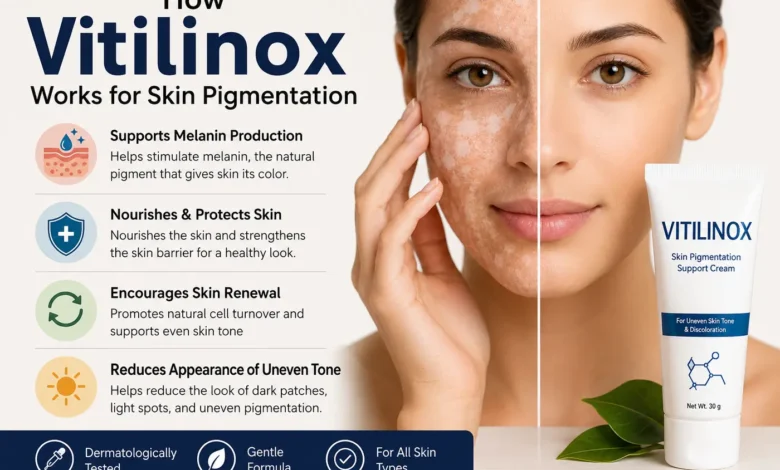
Skin pigmentation is one of the most common skin concerns people search for because it can change how the face, hands, arms, or body look. Dark patches, light spots, uneven tone, and white areas can all feel confusing, especially when the cause is not clear.
Vitilinox is often discussed in connection with skin pigmentation support. Many people look for it because they want to understand whether it may help with visible color changes, uneven skin tone, or patches linked with pigment loss.
This guide explains how Vitilinox may work, what users should check first, and how to think about skin pigmentation in a safe and practical way. It does not replace medical advice, but it can help you ask better questions before using any new skin product.
People in the U.S., UK, and other countries may see different versions of similar skin products online. That is why a calm, careful look at the product, the label, and the skin concern is more useful than trusting quick claims.
Table of Contents
ToggleWhat Vitilinox Appears to Mean
Vitilinox appears to be a product name linked with pigmentation and skin tone concerns. Because product details can vary by seller, users should not assume every item with this name has the same formula, strength, or purpose.
Some products in this area are made as creams, while others may be sold as care kits or support formulas. The most important step is to read the label and understand whether it is made for cosmetic coverage, daily skin support, or a more active skin-care purpose.
A careful user should treat Vitilinox as something to check, not something to trust blindly. Skin color changes can have different causes, so the right choice depends on the type of pigmentation problem, skin sensitivity, and any existing diagnosis.
The name itself may sound clinical, but that does not automatically make it a medical treatment. A product’s real value depends on what it contains, how it is used, and whether it fits the user’s actual skin condition.
Understanding Skin Pigmentation
Skin gets much of its color from melanin, a natural pigment made by cells called melanocytes. When melanin is produced evenly, the skin tone usually looks balanced. When production changes in certain areas, patches can become lighter or darker.
Dark pigmentation may happen after acne, sun exposure, irritation, hormones, or injury. Light patches may happen when pigment cells slow down, become damaged, or stop making enough color in one area.
Vitiligo is one well-known condition linked with pigment loss. It can cause white patches on the skin, and it often needs a proper diagnosis because its treatment is different from simple dullness, tanning, or post-acne marks.
One reason pigmentation is difficult to treat is that the skin has many layers and repair cycles. A mark on the surface may fade faster, while a deeper or immune-related change can take much longer to improve.
How Vitilinox May Support Pigment Balance
Vitilinox may be marketed as a product that supports the appearance of pigmented skin. In simple terms, that means it may aim to improve how uneven areas look over time, depending on the formula and the reason behind the color change.
Topical skin products usually work on the surface and upper skin layers. They may help by moisturizing, calming dryness, supporting the skin barrier, or improving the look of rough and uneven patches.
If a product is made for pigment support, it may also be designed to create a better environment for skin renewal. However, no cream should be treated as a guaranteed fix for every type of pigmentation, especially when pigment cells are affected by a medical condition.
A balanced skin barrier is important because irritated skin can look more uneven. When the barrier is dry or damaged, the skin may sting, peel, or darken after inflammation, which can make tone concerns more noticeable.
Vitilinox and Melanin Support
Melanin support is a common idea in pigmentation products, but it should be understood carefully. A product cannot simply “add” natural pigment to the skin like paint. The body’s own cells must be healthy enough to make color.
If Vitilinox contains soothing or nourishing ingredients, it may help the skin feel more comfortable while the natural renewal cycle continues. Healthy skin is more likely to respond well to a good routine than skin that is dry, inflamed, or irritated.
For light patches, the bigger question is whether the pigment-making cells are still active. If they are not working well, a person may need medical care, light-based treatment, or prescription options rather than only a general skin product.
This is why before-and-after photos can be misleading. Lighting, camera settings, tanning, makeup, and natural skin cycles can all change how results appear, so personal tracking should be honest and consistent.
Possible Uses for Uneven Skin Tone
Some people may look at Vitilinox because they have uneven tone after irritation or minor skin stress. In those cases, gentle care, sun protection, and patience can make a visible difference over time.
Others may be dealing with white patches or suspected vitiligo. This is more complex, because pigment loss is not the same as a simple dark mark. A dermatologist can examine the skin and explain whether a product is suitable.
Vitilinox may be most useful as part of a wider care routine, not as the only step. Clean skin, daily protection, gentle cleansing, and avoiding harsh scrubs can all support a more stable skin appearance.
What to Check Before Applying Vitilinox
Before using Vitilinox, check the product details carefully. This matters because skin pigmentation products can be sold with strong claims, and not every claim is supported by strong proof.
Look closely at the label and packaging before applying it to your face or body:
- Full ingredient list and any active ingredients
- Directions, age limits, and warning statements
- Seller details, batch number, and expiry date
If the label is unclear, the safest choice is to pause. A product used on sensitive skin, white patches, or irritated areas should be easy to understand and should not hide important information.
How to Use Vitilinox Sensibly
If you decide to try Vitilinox, start slowly. Apply a small amount to a limited area first, especially if your skin reacts easily to new creams, fragrances, or plant-based ingredients.
A patch test can help reduce the risk of a bigger reaction. Place a small amount on a discreet area and wait to see if redness, itching, burning, or swelling appears before using it more widely.
Use the product exactly as directed. Applying more than recommended does not usually speed up results and may increase irritation, which can make pigmentation look worse in some people.
How Long Results May Take
Skin changes rarely happen overnight. Even prescription treatments for pigment problems can take weeks or months to show visible improvement, so a normal skin-care product should also be judged with patience.
The timeline depends on the cause of the pigmentation. A mild uneven tone may improve faster than long-standing white patches or areas where pigment cells have been inactive for a long time.
Take clear photos in the same lighting every few weeks if you want to track progress. This is often more reliable than checking the mirror every day, because small changes can be hard to notice.
It is also normal for progress to be uneven. One patch may look better before another, and some areas may not respond much at all, especially on hands, feet, or places exposed to frequent friction.
Safety, Side Effects, and Skin Reactions
Any skin product can cause a reaction, even if it is described as gentle or natural. Common warning signs include burning, itching, redness, peeling, rash, swelling, or new dark marks after irritation.
People with sensitive skin should be extra careful. Areas with pigment loss may also burn more easily in the sun, so daytime protection matters when managing uneven color or white patches.
Stop using Vitilinox if the skin becomes painful, inflamed, or worse than before. If symptoms continue, a skin professional can help decide whether the reaction is irritation, allergy, infection, or something else.
Do not ignore symptoms because you want the product to work. Skin care should make the skin feel calmer over time, not create lasting discomfort or a new problem that needs more treatment.
Vitilinox Compared With Medical Treatments
Vitilinox should not be confused with prescription treatments. Doctors may use different options for vitiligo and other pigment concerns, including anti-inflammatory creams, light therapy, camouflage products, and other medical plans.
Some prescription creams aim to calm inflammation in the skin. Light-based treatments may help certain people with repigmentation, but they must be used under proper guidance to reduce the risk of burns or poor results.
A cosmetic or support product may still have value, but its role is different. It may help comfort, appearance, or routine care, while medical treatment targets the underlying reason for pigment loss or change.
In many cases, the best plan combines daily care with professional advice. This is especially true when patches are spreading, the face is involved, or the person feels worried about the emotional effect of visible skin changes.
Who Should Be More Careful
Children, pregnant people, breastfeeding people, and anyone with a known skin disease should be more careful before using Vitilinox. The same applies to people already using prescription creams or light treatment.
People with open cuts, infected skin, severe eczema, or painful rashes should avoid applying new products until the skin has healed. Broken or inflamed skin can absorb ingredients differently and may react more strongly.
You should also be careful if the pigmentation is changing quickly. Fast spreading white patches, sudden dark areas, bleeding spots, or unusual moles need proper medical review, not only a home care routine.
Anyone with a history of strong allergies should read the ingredient list closely. Natural extracts, fragrance, preservatives, and essential oils can all bother some people, even when they are used in small amounts.
Buying Tips and Product Quality
Product quality matters because skin products touch the body directly. Buy from a seller that gives clear product information, proper packaging, and honest directions.
Be cautious with dramatic promises. Phrases like instant cure, permanent fix, or guaranteed results should make you slow down and check the product more carefully.
A good product page should explain what the item is, how it should be used, who should avoid it, and what results are realistic. If those details are missing, the product may not be the best choice.
Authentic packaging also matters. Poor printing, missing safety details, broken seals, or unclear seller information can be warning signs that the item may not be reliable enough for skin use.
Final Thoughts
Vitilinox may interest people who want support for skin pigmentation, uneven tone, or light patches. Still, it should be approached with realistic expectations and careful label checking.
Skin color changes are not all the same. Some are cosmetic and may improve with time and gentle care, while others are linked with conditions that need professional treatment.
The best approach is simple: understand your skin concern, avoid harsh products, protect your skin from the sun, and get proper advice if patches spread or do not improve. Vitilinox may fit into a routine, but safe skin care should always come first.
Frequently Asked Questions (FAQs)
What is Vitilinox used for?
Vitilinox is usually searched as a skin pigmentation support product. People may look for it when dealing with uneven tone, light patches, or visible color changes, but they should always check the exact product label before use.
Can Vitilinox cure vitiligo?
Vitilinox should not be viewed as a proven cure for vitiligo. Vitiligo is a medical skin condition, and people with white patches should speak with a dermatologist for proper diagnosis and treatment options.
How does Vitilinox work on skin pigmentation?
Vitilinox may work by supporting the skin’s surface condition, moisture balance, and overall appearance. Its real effect depends on the ingredients, the cause of pigmentation, and how consistently it is used.
Is Vitilinox safe for sensitive skin?
It may not be safe for everyone, especially people with allergies or easily irritated skin. A patch test is a smart first step, and users should stop using it if burning, swelling, or strong redness appears.
How long does Vitilinox take to show results?
Visible skin changes can take several weeks or longer. The timeline depends on the type of pigmentation, the person’s skin health, sun exposure, and whether the pigment cells are still active.
Should I use Vitilinox with other skin products?
Be careful when mixing it with strong exfoliants, bleaching creams, or prescription treatments. Combining too many products can irritate the skin, so it is better to keep the routine simple and ask a professional when unsure.
Read More: Willowmagazine.co.uk
 Admin
Send an email
June 12, 2026
Admin
Send an email
June 12, 2026