Who Is Gene Hackman? The Real Story Behind Eugene Ezra Hackman’s Life and Career

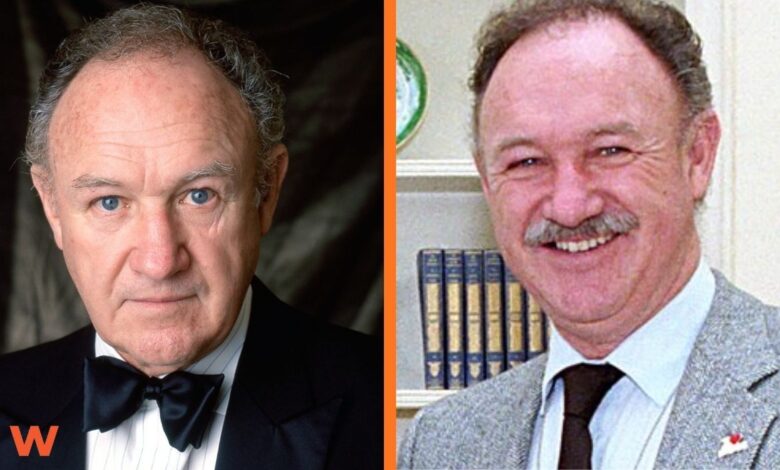
Gene Hackman remains one of the most respected actors in American film history because his career was built on truth, discipline, and emotional control. Audiences knew him as a powerful screen presence, but the larger story behind his life is even more interesting. His public name was Gene Hackman, while many searches connect him with Eugene Ezra Hackman, a name tied to his family background because Eugene Ezra Hackman was his father. Gene himself is most often recorded as Eugene Allen or Eugene Alden Hackman, so this topic needs clear and accurate explanation.
His journey moved from a restless childhood to the U.S. Marine Corps, then to acting, major films, retirement, writing, and a quiet final chapter in New Mexico. Gene Hackman did not build his fame through glamour. He became famous because he made characters feel real, flawed, dangerous, funny, and deeply human.
Quick Information About Gene Hackman
| Detail | Information |
|---|---|
| Public Name | Gene Hackman |
| Common Full Name | Eugene Allen / Eugene Alden Hackman |
| Family Name Connection | Eugene Ezra Hackman was his father |
| Date of Birth | January 30, 1930 |
| Birthplace | San Bernardino, California, United States |
| Raised Mainly In | Danville, Illinois |
| Profession | Actor, novelist, former Marine |
| Acting Years | 1950s to 2004 |
| Best Known For | The French Connection, Unforgiven, Hoosiers, Superman |
| Academy Awards | Two wins |
| First Wife | Faye Maltese |
| Second Wife | Betsy Arakawa |
| Children | Three |
| Later Home | Santa Fe, New Mexico |
| Death | February 2025, at age 95 |
The Real Name Story Behind Gene Hackman
The name story around Gene Hackman can confuse readers because “Eugene Ezra Hackman” appears in family-related searches. The clearest way to understand it is simple: Gene Hackman was the son of Eugene Ezra Hackman, a newspaper press operator. Father and son shared the first name Eugene and the same last name, which is why online searches sometimes mix the two identities.
This detail matters because Gene Hackman’s family background shaped the kind of actor he became. His father’s absence, his mother’s resilience, and his early independence helped him understand silence, anger, pride, and emotional distance. Those qualities later appeared in many of his finest roles, from lawmen and coaches to criminals and broken fathers.
Early Life and Family Background
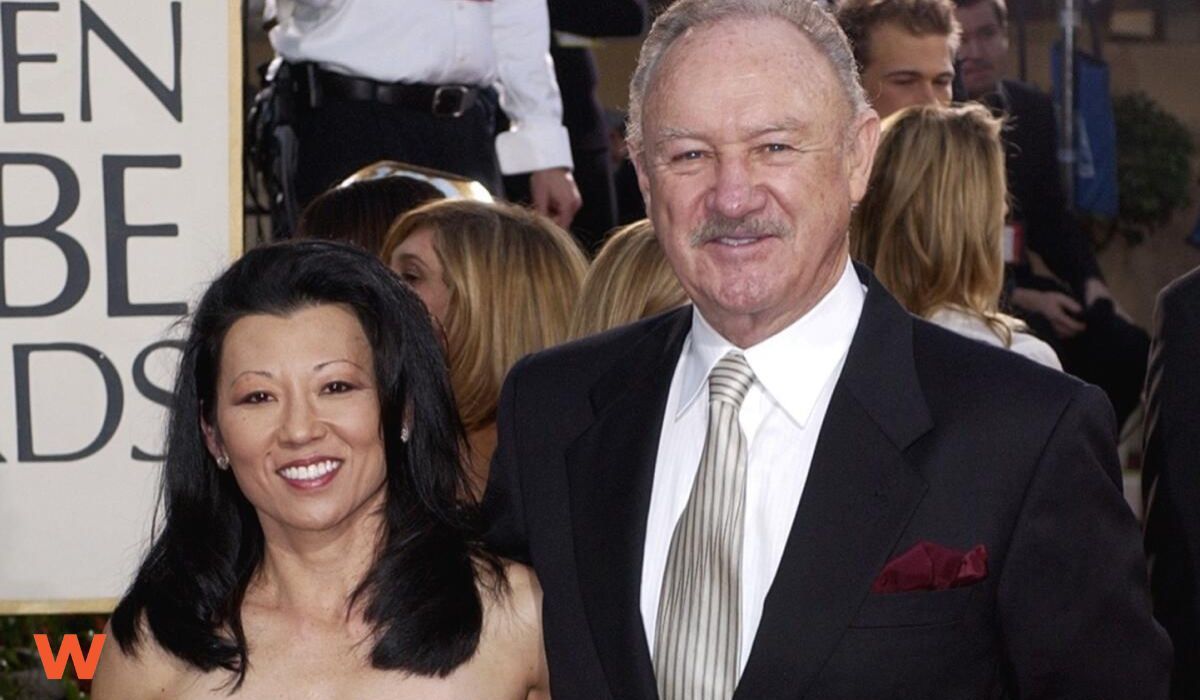
Gene Hackman was born in California, but his childhood was not rooted in one comfortable place. His family moved several times before settling in Danville, Illinois. That Midwestern setting gave him a strong sense of ordinary American life, which later helped him play working men, police officers, soldiers, fathers, and leaders with unusual honesty.
His parents were Eugene Ezra Hackman and Anna Lyda Elizabeth Gray. His father worked in the newspaper business, while his mother had artistic interests. Gene’s childhood became harder when his father left the family. Hackman later remembered the emotional force of that moment, and it became one of the private wounds that shaped his personality.
Military Service and Early Discipline
At age 16, Gene Hackman left home and joined the U.S. Marine Corps after lying about his age. This decision showed both his hunger for escape and his need for structure. Military service gave him discipline, toughness, and exposure to a wider world. He served as a radio operator, an experience that helped him build a strong voice and sharp timing.
The Marine Corps did not turn him into an actor, but it gave him a foundation. Hackman learned how to observe people, handle pressure, and survive uncomfortable situations. Many of his later screen characters had that same controlled tension. They looked calm on the outside but seemed ready to explode inside.
From Rejection to Serious Acting
After leaving the Marines, Gene Hackman tried different paths before acting became his focus. He studied journalism and television production, but he did not stay on a simple academic road. He eventually moved toward performance, taking classes and struggling through early rejection.
One famous part of his early story is that he and Dustin Hoffman were both seen as unlikely leading men. They did not fit the old Hollywood image of smooth, perfect stars. That rejection became fuel. Hackman learned to depend on craft instead of looks, focusing on behavior, voice, body language, and emotional truth.
Breakthrough With Bonnie and Clyde
Gene Hackman’s major breakthrough came with Bonnie and Clyde in 1967. His role as Buck Barrow gave him national attention and showed that he could bring warmth, humor, and danger into the same performance. The film itself became a turning point in American cinema because it mixed violence, style, youth culture, and moral complexity in a fresh way.
His performance earned him his first Academy Award nomination and proved he could stand out even in a strong cast. It opened the door to better roles and proved his power came from being believable.
The French Connection and Global Fame
Gene Hackman became a major Hollywood name after playing Detective Jimmy “Popeye” Doyle in The French Connection. The role gave him a hard, relentless, morally complicated character who chased criminals with frightening obsession. Hackman did not soften Doyle to make him likable. He played him as rough, driven, and deeply human.
The film’s success changed his career forever. Hackman won the Academy Award for Best Actor, and the role became one of the most famous police performances in movie history. It also showed why he was different: he allowed a character to be unpleasant when honesty required it.
A Career Built on Range
After The French Connection, Gene Hackman did not limit himself to one type of role. He appeared in thrillers, dramas, westerns, comedies, disaster films, sports movies, and superhero films. In The Conversation, he played a surveillance expert trapped by guilt and fear. In Superman, he brought comic arrogance to Lex Luthor. In Hoosiers, he became a flawed coach trying to lead a small-town basketball team toward greatness.
This range made Hackman trusted by directors and audiences. He could play authority without making it simple, villains without making them flat, and quiet men without overacting.
Unforgiven and a Second Oscar
In 1992, Gene Hackman delivered another career-defining performance in Clint Eastwood’s western Unforgiven. He played Little Bill Daggett, a sheriff who believed he was keeping order but used cruelty to do it. The role could have become a simple villain, but Hackman made him more complex. He showed a man who thought he was civilized while acting with deep brutality.
That performance earned Hackman his second Academy Award, this time for Best Supporting Actor. It proved his talent had not faded with age. He could suggest an entire life through a look, a pause, or a sudden burst of anger.
Later Career and Final Screen Work
During the 1990s and early 2000s, Gene Hackman continued to appear in films that reached wide audiences. He worked in movies such as The Firm, Crimson Tide, Enemy of the State, Get Shorty, The Birdcage, Runaway Jury, and The Royal Tenenbaums.
The Royal Tenenbaums gave him one of his most beloved late-career roles as Royal Tenenbaum, a selfish but strangely lovable father trying to reconnect with his family. The performance reminded viewers that Hackman could handle comedy with the same precision he brought to drama. His final film role came in Welcome to Mooseport in 2004.
Retirement, Writing, and Private Life
Gene Hackman’s retirement surprised some fans, but it fit his personality. He had never seemed hungry for celebrity attention. After decades of demanding film work, he moved into a quieter life in Santa Fe, New Mexico, spending more time writing, painting, cycling, and living away from Hollywood.
Hackman also became a novelist. He co-wrote historical fiction with Daniel Lenihan and later wrote books on his own. This second creative life showed that storytelling mattered to him beyond the camera. Acting made him famous, but writing gave him another way to explore conflict, danger, memory, and character.
Marriage, Children, and Personal World
Gene Hackman was first married to Faye Maltese, with whom he had three children. Their marriage lasted for several decades before ending in divorce.
He later married Betsy Arakawa, a classical pianist. Their relationship became closely connected with his later private life in New Mexico. Betsy was not simply a celebrity spouse; she was part of the calm world Hackman chose after leaving Hollywood. Together, they lived far from the red-carpet routine that had defined much of his public career.
Final Years and 2025 Death Investigation
Gene Hackman’s final years became the subject of renewed public attention after he and Betsy Arakawa were found dead at their Santa Fe home in February 2025. Reports later stated that Betsy likely died first from hantavirus pulmonary syndrome, while Hackman died about a week later from cardiovascular disease, with Alzheimer’s disease as a significant contributing condition. The details were sad and deeply human, especially because investigators said Hackman may not have understood what had happened to his wife.
This updated information changed how many people looked at his final chapter. It was not just the death of a famous actor; it was the quiet ending of a private couple who had lived outside the Hollywood spotlight.
Why Gene Hackman Still Matters
Gene Hackman still matters because he changed what a leading actor could look and feel like. He did not rely on perfect beauty, easy charm, or predictable heroism. He brought ordinary faces, complicated emotions, and moral tension to the screen.
His influence can be seen in many modern actors who value realism over glamour. Hackman helped prove that an actor could dominate a film without trying to appear larger than life. He made audiences lean in because they believed him. That is the heart of his legacy.
Conclusion
Gene Hackman’s life story is more than a list of famous movies. It is the story of a restless boy connected to the family name Eugene Ezra Hackman through his father, a young Marine who learned discipline early, and an actor who turned rejection into one of the strongest careers in film history. His public identity, family background, and work all form one larger picture.
From Bonnie and Clyde to The French Connection, Unforgiven, Hoosiers, Superman, and The Royal Tenenbaums, Gene Hackman gave audiences characters who felt alive. His final years were private and later touched by tragedy, but his artistic legacy remains strong. He will be remembered as one of the rare actors who made every role feel truthful.
Frequently Asked Questions (FAQs)
Who is Gene Hackman?
Gene Hackman was an American actor, novelist, and former Marine known for realistic and powerful performances. He won two Academy Awards and became famous for films such as The French Connection, Unforgiven, Hoosiers, Superman, and The Royal Tenenbaums.
Was Gene Hackman’s real name Eugene Ezra Hackman?
Gene Hackman is commonly listed as Eugene Allen or Eugene Alden Hackman. Eugene Ezra Hackman was his father, which is why the name appears in family-background searches connected to Gene Hackman.
What was Gene Hackman best known for?
Gene Hackman was best known for playing complex, believable characters who were often tough, flawed, and morally complicated. His most famous roles include Popeye Doyle in The French Connection and Little Bill Daggett in Unforgiven.
How many Oscars did Gene Hackman win?
Gene Hackman won two Academy Awards during his career. He won Best Actor for The French Connection and Best Supporting Actor for Unforgiven.
Why did Gene Hackman retire from acting?
Gene Hackman retired after a long and demanding film career, with his final movie role coming in 2004. He later focused on private life, writing novels, painting, and living quietly in Santa Fe, New Mexico.
Who was Gene Hackman’s wife?
Gene Hackman was first married to Faye Maltese, and they had three children together. He later married Betsy Arakawa, a classical pianist, and they lived privately in New Mexico.
When did Gene Hackman die?
Gene Hackman died in February 2025 at age 95. Investigators later reported that he likely died after his wife Betsy Arakawa, with cardiovascular disease and Alzheimer’s disease contributing to his death.
Read More: Willowmagazine.co.uk