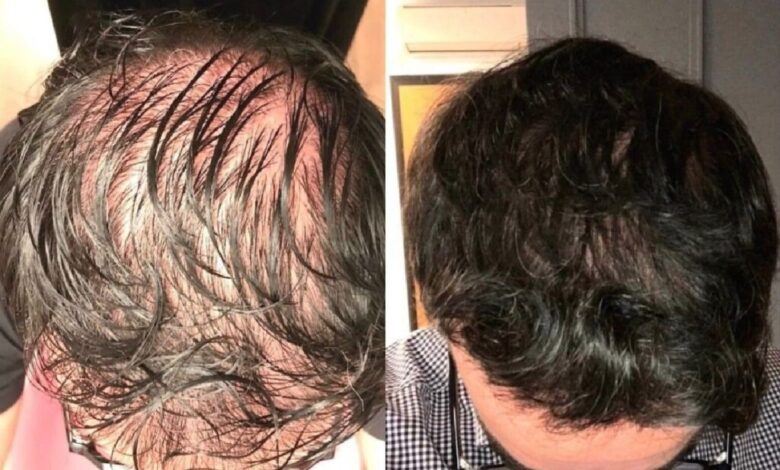
Many people considering PRP treatment for hair loss want to know when they can expect visible improvements. While PRP has become a popular option for supporting hair growth, results rarely happen overnight and often develop gradually over time.
Understanding the typical treatment timeline can help set realistic expectations and reduce frustration during the process. Since every individual responds differently, knowing what to expect at each stage can make the journey easier to navigate.
Understanding the PRP Hair Growth Timeline
PRP treatment works gradually by supporting hair follicles through concentrated growth factors obtained from the patient’s own blood. Individuals exploring hair restoration options often seek guidance on how long does prp last to better understand the treatment process and expected timelines.
1. What Happens Immediately After Treatment
Most patients notice very little visible change immediately after a PRP session. The treatment focuses on biological activity beneath the scalp rather than producing instant cosmetic improvements.
The body’s natural healing response begins shortly after treatment. This early cellular activity forms the foundation for future changes in hair growth.
2. The First Few Weeks
During the first few weeks, patients may not observe significant differences in hair appearance. This stage often involves internal processes that are not immediately visible.
Some individuals experience temporary shedding before noticing improvement. This adjustment phase can be a normal part of the treatment journey.
3. Changes During Months Two and Three
Around the second or third month, some patients begin noticing subtle changes. Hair may appear healthier, and shedding may gradually decrease.
These early developments are often modest but encouraging. The emergence of initial improvements can help patients stay motivated throughout treatment.
4. When Hair Thickening Becomes Noticeable
Many individuals report more noticeable changes several months into treatment. Hair may begin appearing fuller and more consistent across thinning areas.
Improvements often occur gradually rather than dramatically. This period of visible thickening is commonly associated with growing patient satisfaction.
5. The Importance of Patience
Hair growth is naturally a slow process, regardless of the treatment used. PRP supports biological functions that require time to produce visible outcomes.
Expecting immediate transformation can lead to disappointment. Maintaining realistic patience helps individuals better understand the treatment timeline.
6. Why Results Vary Between Patients
Not every patient experiences the same timeline or degree of improvement. Individual factors influence how quickly hair responds to treatment.
Genetics, follicle health, and overall wellness all contribute to outcomes. This individual variation explains why results differ from person to person.
7. Typical Long Term Progress
Many practitioners assess progress over several months rather than a few weeks. Long term observation provides a more accurate picture of treatment effectiveness.
Hair changes often continue developing as treatment plans progress. Consistent long term monitoring helps evaluate overall success.
Factors That Can Affect How Quickly Results Appear
Although general timelines exist, individual experiences vary significantly. Several factors can influence how quickly visible improvements become noticeable after treatment.
- Stage of Hair Loss:Early thinning may respond differently than advanced hair loss because more active follicles are often present.
- Follicle Health:Existing follicle condition can influence how effectively the scalp responds to treatment.
- Age:Biological differences associated with age may affect the pace of hair growth and restoration.
- Treatment Consistency:Following the recommended treatment schedule helps support ongoing progress.
- Lifestyle Habits:Factors such as stress, sleep quality, and nutrition can influence overall hair health.
- General Health:Medical conditions and overall wellness may affect individual treatment responses.
- Maintenance Sessions:Continued treatments may help support long term improvements and monitoring.
What Patients Commonly Notice During Different Stages of Treatment
The treatment journey often involves several phases, each associated with different observations. Understanding these stages can help patients recognize progress as it develops.
1. Reduced Hair Shedding
One of the earliest changes some individuals notice is a reduction in excessive hair shedding. Fewer hairs may appear in brushes, showers, or on clothing.
Although shedding patterns vary, this can be an encouraging sign of progress. Reduced hair loss activity often occurs before visible thickening.
2. Improved Hair Texture
Hair texture may begin changing before significant increases in density become apparent. Existing strands can sometimes feel stronger or healthier.
These subtle improvements may not be immediately obvious to others. Enhanced hair quality often contributes to overall satisfaction.
3. Increased Hair Density
As treatment progresses, some patients notice improved coverage in areas affected by thinning. Hair may appear fuller under certain lighting conditions.
Changes in density often develop gradually over several months. This density improvement is one of the most anticipated outcomes.
4. Stronger Existing Hair
PRP focuses on supporting active follicles rather than creating entirely new ones. As a result, existing hairs may become stronger and more resilient.
Improved strand strength can contribute to a healthier appearance overall. This emphasis on follicle support aligns with treatment goals.
5. Gradual Cosmetic Changes
Most cosmetic improvements emerge slowly rather than appearing suddenly. Comparing photographs over time often helps identify meaningful progress.
Individuals researching PRP treatment for hair loss frequently learn that gradual improvement is a normal part of the process.
6. Follow Up Evaluations
Regular reviews help practitioners assess changes and determine whether adjustments are needed. These evaluations provide valuable insight into treatment progress.
Monitoring progress supports informed decision making throughout the journey. Consistent professional assessment helps guide ongoing care.
7. Long Term Maintenance
Many patients view hair restoration as a continuing process rather than a single event. Long term maintenance may play an important role in preserving results.
Follow up care and periodic treatments can help support treatment goals. This maintenance strategy contributes to ongoing management.
Setting Realistic Expectations for PRP Results
Understanding what PRP can and cannot achieve is important before beginning treatment. Establishing reasonable expectations helps patients evaluate progress more accurately.
- Results typically develop gradually
- Multiple sessions are often recommended
- Not all patients respond in the same way
- Hair growth requires time and patience
- Maintenance treatments may be beneficial
- Professional monitoring supports progress
- Existing follicle health influences outcomes
- Improvements may be subtle at first
- Consistency often matters more than speed
- Long term planning can support success
Conclusion
The timeline for PRP results varies between individuals, but most patients should expect gradual improvements rather than immediate changes. Early signs such as reduced shedding may appear within a few months, while fuller and thicker looking hair often takes longer to develop. Consistent treatment, realistic expectations, and ongoing monitoring all play important roles in achieving the best possible outcome from PRP hair restoration.