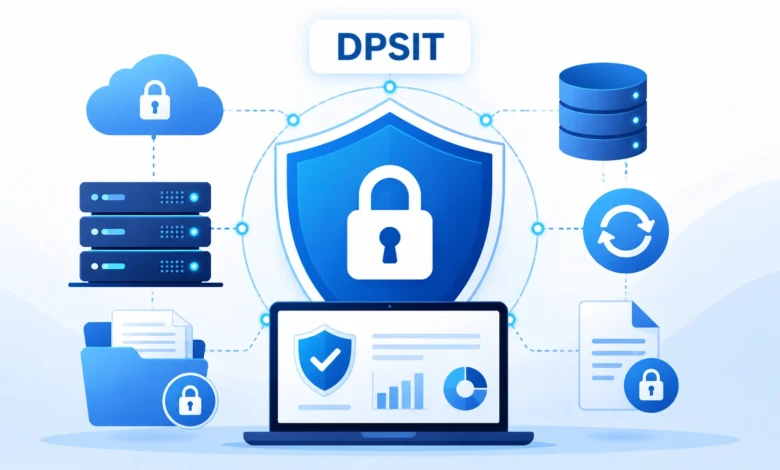
Data is now one of the most valuable parts of daily life and business. It can include customer records, payment details, project files, passwords, invoices, and private messages. If it is lost, stolen, changed, or exposed, the damage can be serious.
DPSIT is best understood as a practical approach connected with data protection, secure IT systems, backup, storage, archiving, and recovery planning. It explains how digital information should be handled from creation to deletion.
The main value of DPSIT is that it brings order to security work. Instead of treating protection as one single tool, it looks at people, systems, storage, recovery, and risk together.
This article explains how DPSIT supports data protection and security in simple terms. It also covers why backup planning, access control, encryption, cloud storage, and recovery all matter today.
Table of Contents
ToggleWhat DPSIT Means in Data Protection
In a data protection context, DPSIT can be viewed as practices that keep digital information safe, available, and useful. It is often linked with secure storage, backups, disaster recovery, cloud systems, and information management.
The idea is not only to stop hackers. It also protects data from everyday problems such as accidental deletion, device failure, software errors, power issues, and human mistakes.
DPSIT also supports long-term planning. A company may have strong passwords and antivirus software, but if it has no clean backup or recovery plan, one attack can still stop its work.
Why Data Protection Matters Today
Every modern organization depends on digital records. Shops use payment data. Schools store student files. Clinics manage sensitive details. Freelancers keep contracts, invoices, and client work on laptops or cloud platforms.
When this data is not protected, the result can be lost income, broken trust, legal trouble, and service delays. Even a small business can suffer if it loses access to orders or account records.
Data protection matters because people expect their information to be handled with care. Customers want to know that their names, addresses, card details, and private records are not exposed.
DPSIT helps by making protection part of the full digital process. It encourages businesses to know what data they hold, where it is stored, who can use it, and how it can be recovered.
How DPSIT Builds a Safer Data Lifecycle
A data lifecycle means the full journey of information. Data is created, collected, stored, used, shared, backed up, archived, and eventually removed. Each stage needs safeguards because risks change over time.
DPSIT helps by making each step more controlled. Data should be collected only when needed, stored safely, shared with the right people, and removed when there is no valid reason to keep it.
This kind of lifecycle thinking reduces careless storage. It also helps teams avoid keeping old, unprotected files in random folders, email accounts, personal drives, or forgotten devices.
When the lifecycle is clear, security becomes easier to manage. Teams can set rules for retention, access, backups, and deletion instead of reacting only after something goes wrong.
Core Areas DPSIT Helps Protect
DPSIT supports several security areas at the same time. It can help a business protect active files, stored records, cloud data, backup copies, and systems that must stay available during a crisis.
The most useful areas include:
- secure backup copies
- controlled user access
- encrypted files and storage
- safe cloud and local storage
- disaster recovery planning
- archiving for long-term records
- regular reviews and risk checks
This matters because data protection is not one action. A backup without access control can still be stolen. Encryption without recovery planning can still leave a company stuck.
DPSIT is helpful because it gives teams a wider view. The goal is to block threats and keep information trustworthy, available, and ready to restore.
Backup and Recovery as a Security Foundation
Backups are one of the strongest parts of data protection. A backup is a separate copy of important information that can be used if the original file, system, or device is damaged.
DPSIT places strong value on backup and recovery because many incidents cannot be fully prevented. Hardware can fail, employees can delete files by mistake, and ransomware can lock systems.
A good backup plan should include more than one copy, safe storage, regular schedules, and recovery testing. Testing is important because an untested backup may fail when it is needed most.
Recovery answers a simple question: how quickly can the business return to normal? DPSIT helps teams plan this before a crisis, so they are not making rushed decisions during an emergency.
Access Control and User Permissions
Not everyone in a business needs access to every file. Access control means giving people only the level of access they need to do their job. This reduces the chance of data being changed, copied, deleted, or viewed by the wrong person.
DPSIT supports access control by encouraging clear roles and permissions. A finance team may need billing records, while a design team may only need project files. A temporary worker may need short-term access that ends after the task is complete.
Good permissions also protect against account misuse. If one account is compromised, limited access can reduce the damage. This is why many companies use strong passwords, multi-step sign-in, reviews, and monitoring.
Access should not be set once and forgotten. DPSIT encourages regular checks, especially when people change jobs, leave the company, or move to new departments.
Encryption and Secure Storage
Encryption turns readable data into protected code that is difficult to understand without the right key. It is useful for stored files, backup copies, cloud records, laptops, mobile devices, and network transfers.
DPSIT uses encryption as a practical layer of defense. If a storage drive is stolen or a cloud account is attacked, encrypted data is harder to misuse. It does not remove every risk, but it adds a strong barrier.
Secure storage also means choosing the right place for different data. Active files may need fast access, while older records may belong in lower-cost archive storage with strict rules.
The goal is to keep data safe without making it impossible to use. DPSIT helps balance security, access speed, cost, and long-term control.
Cloud Security and Hybrid Storage
Many businesses now store data in the cloud, on local servers, or in both places. This is often called hybrid storage. It lets teams keep active data close while storing backup or archive copies elsewhere.
DPSIT helps businesses think carefully about where data should live. Some files need quick access every day. Others need long-term storage for records, audits, or future reference.
Cloud systems can support strong backup, remote access, and recovery, but they still need good setup. Weak passwords, poor permissions, and unmanaged sharing can create risk even when the platform itself is strong.
A DPSIT-based approach encourages teams to review storage choices, protect accounts, monitor access, and make sure cloud data can be restored if something goes wrong.
Disaster Recovery and Business Continuity
Disaster recovery is the plan for restoring systems after a major problem. Business continuity is the wider plan for keeping essential work moving during and after that problem. Both are closely connected.
DPSIT supports these areas by helping teams identify critical data, key systems, recovery steps, and possible weak points. This can include servers, cloud apps, user devices, payment systems, communication tools, and customer records.
A strong recovery plan should explain who does what, which systems return first, where backup data is stored, and how recovery will be tested. Clear roles reduce confusion.
The best plans are simple enough to follow and detailed enough to be useful. DPSIT helps turn recovery from a vague idea into a practical process that can be reviewed and improved over time.
Ransomware and Modern Threat Protection
Ransomware is one of the most serious data risks today. It can lock files, stop systems, and demand payment before access is returned. Even if a business pays, safe recovery is not guaranteed.
DPSIT helps reduce ransomware risk by supporting layered protection. This may include clean backups, protected backup storage, updated systems, limited access, staff awareness, and careful monitoring for unusual activity.
Backups are especially important because ransomware often attacks live systems and connected storage. Safer backup design can include separate copies, restricted access, and recovery testing so infected files are not restored by mistake.
No system is perfect, but preparation changes the outcome. A business with tested recovery steps has more options than one that depends only on hope.
Compliance, Privacy, and Trust
Data protection is also connected with rules and responsibilities. Many countries and industries have requirements for how personal data should be collected, stored, shared, protected, and removed.
DPSIT helps by supporting better records, safer storage, access reviews, backup planning, and recovery processes. These actions make it easier for an organization to show that it treats information responsibly.
Privacy is not only a legal topic. It is also about trust. People are more likely to work with a business when they believe their information is handled carefully.
A trusted company does not wait for a data incident to improve its systems. It builds safe habits early and keeps improving them as the business grows.
How Small Businesses Can Use DPSIT
Small businesses often think data protection is only for large companies. In reality, smaller teams can be hit hard because they may have fewer resources, weaker backup habits, and less time to recover.
DPSIT can help small businesses start with practical steps. They can identify important files, protect user accounts, set up reliable backups, store copies away from the main system, and test recovery.
Small teams do not need to make everything complex. Simple, consistent protection is better than an expensive setup that no one understands. The aim is to create a safe routine that fits daily work.
As the business grows, the plan can grow too. More users, more data, more cloud tools, and more customer records all require stronger controls.
Common Mistakes DPSIT Can Help Avoid
One common mistake is assuming that cloud storage is the same as a complete backup plan. Cloud files can still be deleted, overwritten, shared wrongly, or affected by account compromise if protection is weak.
Another mistake is keeping backups but never testing them. A backup that cannot be restored is not useful during a crisis. Testing helps find missing files, broken schedules, slow recovery times, and poor instructions.
Many teams also give too much access to too many people. This may feel convenient, but it increases risk. DPSIT encourages access based on need, not habit.
The biggest mistake is waiting until after a serious incident. Data protection works best when it is planned early, reviewed often, and treated as part of normal business care.
Final Thoughts
DPSIT helps with data protection and security by connecting the most important parts of safe digital management. It brings together backup, recovery, storage, access control, encryption, cloud planning, archiving, and risk review.
Its real strength is structure. Instead of using random tools without a clear plan, organizations can think about how data moves, where it lives, who can reach it, and how it can be restored after trouble.
For businesses, this means fewer surprises and faster recovery. For customers and users, it means greater confidence that their information is being handled with care.
Good protection does not depend on one product or one action. It depends on steady habits, clear rules, tested recovery, and smart planning. DPSIT helps bring these pieces together.
Frequently Asked Questions (FAQs)
What is DPSIT in data protection?
DPSIT is best understood as a practical approach linked with protecting, storing, backing up, and recovering digital information. It helps businesses organize security steps so important data stays safer and easier to restore.
How does DPSIT improve security?
DPSIT improves security by combining several protections instead of depending on one tool. It supports safer access, encrypted storage, backup planning, recovery testing, and better control over how information is handled.
Is DPSIT useful for small businesses?
Yes, DPSIT can be useful for small businesses because they also store customer records, invoices, files, and account details. Even simple steps like secure backups and controlled access can prevent major disruption.
Does DPSIT only focus on backups?
No, backups are only one part of DPSIT. It also covers storage, archiving, disaster recovery, user permissions, privacy protection, and planning for risks that may affect business systems.
Why is recovery testing important?
Recovery testing shows whether backup data can actually be restored when needed. Without testing, a business may only discover broken or incomplete backups during a real emergency.
Can DPSIT help prevent ransomware damage?
DPSIT can reduce ransomware damage by supporting safer backups, restricted access, system reviews, and recovery planning. It may not stop every attack, but it can help a business recover faster and avoid total data loss.
Read More: Willowmagazine.co.uk
 Admin
Send an email
May 27, 2026
Admin
Send an email
May 27, 2026