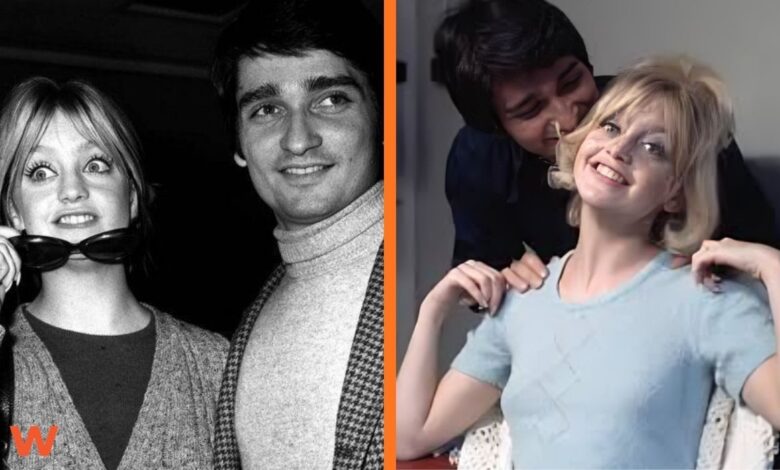
Gus Trikonis is a notable figure in Hollywood whose career spans both acting and directing, making him a rare example of a performer who successfully transitioned behind the camera. Best known for his early role in the iconic film West Side Story and later for his extensive work in television direction, Trikonis built a steady and versatile career across several decades of entertainment history. His journey reflects the evolution of American film and television from classic Hollywood musicals to modern episodic TV storytelling. Over time, he developed a reputation for reliability, adaptability, and creative direction in high-pressure production environments. This article explores his life, career development, personal milestones, and long-standing impact on Hollywood’s television and film landscape.
Quick Bio
| Category | Details |
|---|---|
| Full Name | Gus Trikonis |
| Profession | Actor, Film Director, Television Director |
| Known For | West Side Story (1961), TV directing in major American series |
| Birthplace | New York City, USA |
| Ethnicity | Greek-American |
| Active Years | 1960s – 1990s+ |
| Famous Ex-Spouse | Goldie Hawn |
| Early Career | Dancer and ensemble actor in Hollywood musicals |
| Directing Genre | Action, Crime, Drama, Adventure TV series |
| Industry Contribution | Transition from classic Hollywood film to modern TV directing |
| Legacy | Long-term television director with consistent episodic storytelling work |
Early Life and Cultural Roots That Shaped Gus Trikonis
Gus Trikonis was born into a Greek-American family, a background that influenced both his discipline and artistic sensibility. Growing up in New York City, he was exposed early to diverse cultural and performance traditions, which helped shape his interest in performing arts. The city’s vibrant theater scene and film culture provided him with opportunities to observe acting, dance, and stage production from a young age.
His early exposure to performing arts eventually guided him toward professional training in dance and acting. During this period, Hollywood musicals were at their peak popularity, and young performers like Trikonis often found opportunities in large ensemble productions. This foundation later became crucial when he entered the film industry, particularly in physically demanding roles that required strong dance ability and screen presence.
Breakthrough Role in West Side Story

Gus Trikonis gained early recognition for his role in the legendary musical film West Side Story (1961), a production that remains one of Hollywood’s most celebrated cinematic achievements. In the film, he appeared as a member of the Jets gang, contributing to some of the movie’s most energetic and choreographed dance sequences.
Working on West Side Story provided Trikonis with exposure to top-tier filmmaking, including direction, choreography, and large-scale musical production. The experience not only elevated his visibility but also gave him a deep understanding of cinematic storytelling through movement and rhythm. Many actors from ensemble casts fade into obscurity, but Trikonis used this opportunity as a stepping stone toward a long-term career in entertainment.
This role also positioned him within a generation of performers who transitioned between dance, acting, and later television work, reflecting Hollywood’s evolving talent ecosystem in the 1960s.
Transition From Acting to Behind-the-Scenes Work
While Gus Trikonis began his career as an actor and dancer, he gradually developed an interest in directing. This transition was not immediate but evolved through years of on-set experience and exposure to production techniques. Observing directors during filming helped him understand pacing, camera movement, and actor coordination.
By the late 1960s and early 1970s, Trikonis began stepping away from acting roles and focusing more on behind-the-camera opportunities. This shift was significant because it reflected a broader industry trend where performers moved into technical and creative leadership roles. His ability to understand both performance and direction gave him an advantage in television production, where efficiency and storytelling clarity are essential.
This phase marked the beginning of his long-term identity as a television director rather than just a performer.
Early Directing Career and Roger Corman Influence
One of the most important influences on Gus Trikonis’ directing career was his association with the Roger Corman filmmaking ecosystem. Corman was known for producing low-budget but highly efficient films that often served as training grounds for emerging directors.
During this period, Trikonis directed several films that reflected the exploitation and genre-driven style popular in the 1970s. These projects emphasized fast-paced production schedules and practical storytelling techniques. Working under such conditions helped him develop strong organizational skills and a directorial style focused on clarity and visual storytelling.
This era also helped him build credibility in Hollywood as a director capable of handling tight budgets and demanding production environments, which later opened doors in television.
Rise in Television Directing Career
Gus Trikonis eventually found his strongest professional identity in television direction. From the late 1970s onward, he became a consistent contributor to some of the most popular TV series in American entertainment history. His directing credits span multiple genres, including action, drama, crime, and family-oriented programming.
He directed episodes for widely recognized shows such as Knight Rider, Baywatch, Magnum, P.I., and other major network productions. Each of these series required a strong understanding of episodic storytelling, pacing, and character continuity. Trikonis’ ability to adapt his directing style to different genres made him a valuable asset in the television industry.
His work contributed to shaping the visual tone of 1980s and 1990s television, an era often considered the golden age of network TV production.
Directorial Style and Creative Strengths
Gus Trikonis developed a directing style characterized by efficiency, visual clarity, and strong narrative pacing. Unlike auteurs who focus heavily on stylistic experimentation, Trikonis prioritized storytelling consistency and production reliability.
His background as a performer gave him an edge in working with actors, as he understood how to communicate direction in a practical and collaborative way. This made him particularly effective in fast-moving television environments where episodes had to be completed on strict schedules.
Additionally, his experience in both film and television allowed him to bridge cinematic techniques with episodic storytelling. This balance helped him contribute to shows that required both action-driven sequences and emotional character development.
Personal Life and Marriage to Goldie Hawn
Gus Trikonis’ personal life also drew public attention, particularly his marriage to actress Goldie Hawn. The couple married in 1969 during the early stages of both of their careers.
Their relationship took place during a transformative period in Hollywood, where both actors were establishing themselves professionally. However, as their careers evolved in different directions, the marriage eventually ended in divorce in the mid-1970s.
Despite the separation, this chapter of his life remains a frequently discussed aspect of his biography due to Hawn’s later international fame. Trikonis, however, maintained a relatively private personal life afterward, focusing more on his directing career than public attention.
Hollywood Industry Reputation and Professional Legacy
Within the entertainment industry, Gus Trikonis is often regarded as a dependable and skilled television director. His reputation was built not on celebrity status but on consistency and professionalism. Producers valued his ability to deliver episodes on time while maintaining narrative quality.
His long career reflects the importance of behind-the-scenes professionals in shaping television history. While actors often receive public recognition, directors like Trikonis ensure the structural and visual integrity of episodic content.
His work contributed to the success of many long-running shows, helping define the visual identity of American television across multiple decades.
Adaptability Across Changing Television Eras
One of the most impressive aspects of Gus Trikonis’ career is his adaptability across different eras of television production. From the analog production systems of the 1970s to the more modernized workflows of the 1990s, he remained active and relevant.
He successfully navigated changes in filming technology, editing techniques, and audience expectations. This adaptability highlights his understanding of storytelling fundamentals, which remained consistent even as tools and formats evolved.
Many directors struggle to maintain relevance across decades, but Trikonis demonstrated an ability to evolve without losing his core professional strengths.
Contribution to Genre Television
Gus Trikonis played a significant role in shaping genre television, particularly action and crime dramas. His episodes often featured structured pacing, clear character arcs, and visually engaging sequences.
Shows like Knight Rider and Baywatch relied heavily on directors who could manage action scenes while maintaining narrative coherence. Trikonis’ background in both performance and directing allowed him to handle these demands effectively.
His contributions helped define the look and rhythm of American syndicated television, influencing how future directors approached episodic storytelling in similar genres.
Later Career and Industry Longevity
As his career progressed, Gus Trikonis continued working steadily in television, contributing to a wide range of productions. His longevity in the industry is a testament to his professionalism and adaptability.
Rather than pursuing celebrity status, he focused on sustainable creative work. This approach allowed him to maintain a consistent presence in Hollywood for decades, a rare achievement in an industry known for volatility.
His later career reflects the importance of experienced directors in maintaining the quality and continuity of long-running television series.
Legacy in Hollywood Film and Television History
Gus Trikonis holds a unique place in Hollywood history as both a performer and director. His early appearance in West Side Story connects him to one of cinema’s most iconic musicals, while his television work places him within the evolution of American episodic storytelling.
His career represents the transition from classic Hollywood filmmaking to modern television production systems. By working across both eras, he became part of a generation that bridged two distinct phases of entertainment history.
Today, his legacy is recognized more in industry circles than mainstream audiences, but his contributions remain embedded in the shows and films he helped create.
Conclusion
Gus Trikonis’ life and career reflect the journey of a versatile Hollywood professional who successfully transitioned from on-screen performance to behind-the-scenes direction. From his early role in West Side Story to his extensive television directing career, he demonstrated adaptability, technical skill, and long-term commitment to storytelling. His work across decades of television helped shape the structure and rhythm of popular American series, while his personal history adds depth to his Hollywood narrative. Though not always in the public spotlight, his influence remains embedded in the evolution of modern television production and film history.
Frequently Asked Questions (FAQs)
1. Who is Gus Trikonis?
Gus Trikonis is an American actor and television director known for his role in West Side Story and his later work directing popular TV shows.
2. What is Gus Trikonis famous for?
He is best known for appearing in West Side Story and directing episodes of hit television series like Knight Rider and Baywatch.
3. Was Gus Trikonis only an actor?
No, he began as an actor and dancer but later transitioned into a successful career as a television director.
4. Was Gus Trikonis married to Goldie Hawn?
Yes, he was married to Goldie Hawn from 1969 to the mid-1970s.
5. What type of shows did Gus Trikonis direct?
He directed action, crime, and drama series, including major network television shows during the 1980s and 1990s.
6. What made Gus Trikonis’ directing style unique?
His style focused on efficient storytelling, strong pacing, and clear visual structure, shaped by his acting background.
7. Is Gus Trikonis still active in the entertainment industry?
He gradually stepped back from active directing but remains recognized for his long-standing contributions to television history.
Read More: Willowmagazine.co.uk