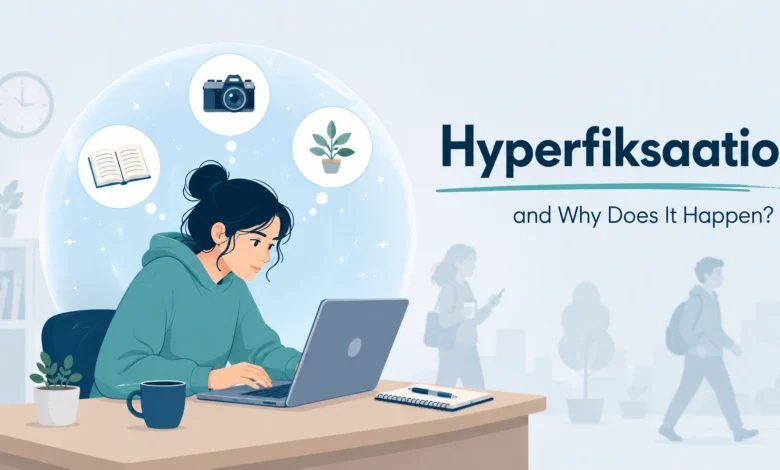
Hyperfiksaatio is a term people use when the mind locks strongly onto one topic, activity, person, game, show, hobby, or idea. It can feel like deep focus, but stronger and harder to stop.
Many people first notice it when time disappears. A person may plan to spend ten m something, then suddenly realize hours have passed without a break.
This article explains what Hyperfiksaatio means, why it may happen, how it can affect daily life, and how to manage it in a balanced way without treating every strong interest as a problem.
What Hyperfiksaatio Means
Hyperfiksaatio is often used as another way to describe hyperfixation. In simple words, it means becoming deeply absorbed in one thing for a long time, often with a strong emotional pull.
It is not the same as normal interest. Normal interest can be paused easily. Hyperfiksaatio can feel more gripping, as if the brain keeps returning to the same subject even when other tasks need attention.
It can involve learning everything about a topic, repeating the same activity, watching the same content, collecting details, or spending long periods on a project. The focus may feel exciting, comforting, or impossible to ignore.
The word is also useful because it gives people a simple way to describe an experience that can be hard to explain. Instead of saying “I just could not stop,” they can name the pattern and think about what caused it.
Why Does Hyperfiksaatio Happen?
Hyperfiksaatio often happens when the brain finds something highly rewarding. The activity may feel clear, enjoyable, safe, challenging, or emotionally meaningful, so the mind wants to stay there.
For some people, it appears during stress. A single interest can become a mental escape from pressure, uncertainty, boredom, social overload, or tasks that feel too large.
It may also happen when an activity gives fast feedback. Games, creative work, online research, music, puzzles, and social media can keep the brain engaged because each step gives a small sense of reward.
Hyperfiksaatio is not always a sign that something is wrong. The main concern is balance. It becomes difficult when it pushes aside sleep, meals, school, work, hygiene, relationships, or important duties.
It may also appear during periods of change. A move, new job, exam season, breakup, or uncertain routine can make one familiar interest feel safer than everything else.
Hyperfiksaatio and Attention Control
Many people think attention means simply focusing or not focusing. In real life, attention is more complex. It includes starting, stopping, switching, planning, and choosing what deserves energy.
Hyperfiksaatio can happen when stopping or switching feels hard. A person may know they need to move on, but their mind keeps pulling them back to the same activity.
This is why it can feel confusing. The same person may struggle to focus on chores or paperwork, yet stay locked onto a favorite subject for hours. The issue is not effort alone. It is often about attention control.
How Hyperfiksaatio Feels in Daily Life
During Hyperfiksaatio, the outside world may fade into the background. Sounds, hunger, messages, and even tiredness may feel less noticeable until the focus period ends.
The person may feel energized while engaged, then drained afterward. They may also feel regret if they missed a deadline, skipped rest, ignored someone, or spent more money than planned.
At the same time, the experience can feel deeply satisfying. It can bring comfort, joy, skill growth, and a sense of identity, especially when the interest connects to creativity, learning, or problem solving.
Common Signs of Hyperfiksaatio
The signs are not the same for everyone, but they usually involve intensity, time loss, and difficulty shifting away from the subject. Some people notice it only after others point it out.
A simple way to recognize it is to look at patterns like these:
- losing track of time for hours
- forgetting meals, sleep, or basic needs
- talking about one topic often
- struggling to stop even when tired
- feeling upset when interrupted
- ignoring tasks that feel less interesting
One sign alone does not prove anything serious. The bigger question is whether the focus helps life, harms life, or does both at different times.
Hyperfiksaatio, ADHD, and Autism
Hyperfiksaatio is often discussed by people with ADHD because ADHD can affect attention regulation, motivation, planning, and task switching. A person may jump between distractions, but also become deeply absorbed in something exciting.
It is also commonly discussed in autistic communities, where strong interests can be meaningful, calming, and long lasting. These interests may bring structure, joy, knowledge, and emotional safety.
ADHD-related hyperfixations may change quickly for some people. Autistic special interests may last much longer for some people. Still, real people do not always fit neat boxes, and experiences can overlap.
Hyperfiksaatio can also appear in people without ADHD or autism. Stress, anxiety, loneliness, grief, boredom, or strong curiosity can all make one activity feel unusually powerful.
Hyperfiksaatio vs Obsession
Hyperfiksaatio can look like obsession from the outside, but the two words are not always the same. Hyperfiksaatio usually centers on deep absorption, interest, reward, or comfort.
An obsession often feels unwanted, frightening, or driven by fear. A person may repeat a thought because it causes distress, not because it brings joy or curiosity.
This difference matters because the right response is different. A strong interest may need routine and boundaries, while distressing repeated thoughts may need professional care and a different kind of support.
Still, the line can blur. If the focus feels painful, controlling, scary, or impossible to resist, it is wise to talk with a qualified professional instead of trying to handle it alone.
Benefits of Hyperfiksaatio
Hyperfiksaatio can help a person learn deeply. Someone may build advanced knowledge, practice a skill for hours, notice small details, or create work that needs patience and passion.
It can also support emotional well-being when used in a healthy way. A safe interest can calm the nervous system, give comfort after a hard day, or provide a sense of control.
Many writers, artists, programmers, students, collectors, gamers, researchers, and makers use intense focus as a strength. The goal is not to remove that strength, but to shape it so life stays balanced.
Challenges and Risks
The biggest challenge is time loss. A person may begin with good intentions, then miss sleep, delay meals, forget messages, or leave important tasks until the last moment.
Another risk is emotional dependence. If the interest becomes the only way to feel calm or happy, interruptions can feel painful. The person may become irritable, defensive, or anxious when asked to stop.
Hyperfiksaatio can also affect relationships. Friends, partners, parents, or coworkers may feel ignored if the person seems unavailable, even when no harm is intended.
Money and health can become issues too. Some interests involve buying supplies, digital items, courses, tools, or collectibles. Others involve sitting too long, sleeping too little, or skipping movement.
Common Triggers
Hyperfiksaatio often begins when a topic feels new, exciting, or emotionally important. A new show, hobby, friendship, subject, project, or online community can quickly become the center of attention.
Boredom is another common trigger. When daily tasks feel dull, the brain may seek something more stimulating. The stronger activity becomes easier to start and harder to leave.
Stress can also trigger it. A person may use one interest to avoid uncomfortable feelings, hard decisions, conflict, or uncertainty. This does not mean the interest is bad, but the reason behind it matters.
How to Manage Hyperfiksaatio
The best approach is not shame. Shame often makes the cycle worse. A kinder approach is to respect the interest while adding structure around it.
Timers can help, but they work better when paired with a clear next step. Instead of setting a timer only to stop, plan what happens after it rings, such as drinking water, stretching, replying to a message, or preparing food.
It also helps to place basic needs before deep focus. Eat, fill a water bottle, set up reminders, and decide a stopping point before starting. These small steps protect the body while still allowing enjoyment.
Another useful method is planned focus time. When the brain knows there is a safe time for the interest later, it may become easier to handle work, school, chores, and social duties first.
Support from another person can help too. A friend, parent, partner, or roommate can give gentle check-ins, especially when the person has already agreed that reminders are welcome.
Helping Children and Teens
Children and teens may not have the same time awareness as adults. When they enter Hyperfiksaatio, they may need gentle support, not sudden punishment or harsh interruption.
Parents and teachers can use calm warnings before transitions. Saying “ten more minutes, then dinner” gives the brain time to adjust. Visual timers and simple routines can also make stopping easier.
It helps to connect the interest to growth. A child who loves dinosaurs may enjoy reading, drawing, museum visits, or science projects. A teen who loves games may learn design, coding, storytelling, teamwork, or planning.
When to Seek Support
Support may be helpful when Hyperfiksaatio regularly harms sleep, health, school, work, money, hygiene, or close relationships. It may also matter if the person feels unable to control the pattern at all.
A mental health professional can help explore what is behind the focus. They may look at attention regulation, anxiety, mood, stress, autism, ADHD, or other life factors.
Seeking help does not mean the interest is wrong. It means the person deserves tools, understanding, and support so intense focus can become safer and easier to manage.
Final Thoughts
Hyperfiksaatio is a powerful form of absorption. It can feel exciting, calming, creative, and meaningful. It can also become stressful when it takes over time, energy, and daily responsibilities.
The most helpful view is balanced. Strong interests can be strengths, but they need boundaries. Rest, food, movement, work, relationships, and personal care still matter.
When understood well, Hyperfiksaatio does not have to be treated as something shameful. It can become part of a healthier life when a person learns what triggers it, what it gives them, and how to guide it.
The aim is not to become less passionate. The aim is to stay connected to the rest of life while still enjoying the deep interest that makes the mind come alive.
Frequently Asked Questions (FAQs)
What is Hyperfiksaatio in simple words?
Hyperfiksaatio means becoming deeply stuck on one activity, idea, or interest for a long time. It often feels enjoyable or comforting, but it can become a problem if it pushes aside important needs.
Is Hyperfiksaatio the same as normal focus?
No, normal focus is usually easier to pause or control. Hyperfiksaatio feels stronger because the person may lose track of time and struggle to stop even when they know they should.
Can Hyperfiksaatio be a good thing?
Yes, it can be useful when it helps someone learn, create, practice, or relax. It becomes unhealthy only when it repeatedly harms sleep, work, school, health, money, or relationships.
Why do people with ADHD talk about Hyperfiksaatio?
People with ADHD often talk about it because ADHD can affect attention control and task switching. Something highly interesting may feel easier to focus on than routine tasks that offer less reward.
Can autistic people experience Hyperfiksaatio?
Yes, many autistic people describe deep interests that bring joy, comfort, and identity. These interests can be positive, though support may help if transitions or interruptions cause major distress.
How can I stop Hyperfiksaatio from taking over my day?
Start by using gentle structure. Set a timer, prepare food and water first, choose a clear stopping point, and plan your next task before beginning the activity.
Read More: Willowmagazine.co.uk